Best Time to Travel to South Africa : A Month-by-Month Guide for Every Type of Explorer

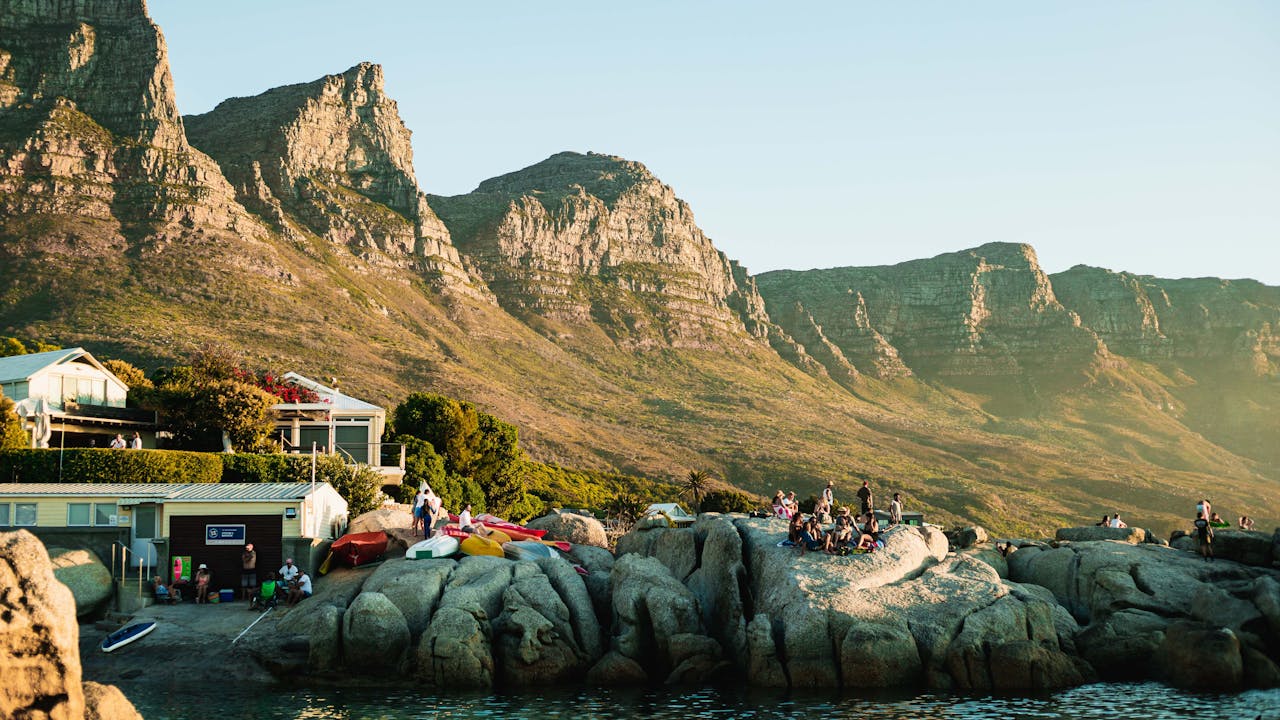
Best time to travel to South Africa: it’s one of the most searched questions among travelers drawn to this extraordinary destination, and rightfully so. South Africa is not a one-season wonder. It’s a country of staggering contrasts: sun-scorched savannahs, misty mountain ranges, windswept Atlantic coastlines, and lush garden routes that bloom in every season. Planning when to go can make the difference between an unforgettable adventure and a trip riddled with crowds, rain, or missed wildlife sightings.
Whether you’re dreaming of a Big Five safari in Kruger, surfing the waves along the Garden Route, or sipping Pinotage in the Winelands, this guide breaks down every season, every month, and every reason to visit — so you can travel smarter and experience South Africa at its absolute best.
Understanding South Africa’s Climate Zones
Before diving into the best time to visit South Africa, it’s essential to understand that this country doesn’t follow a single weather pattern. It spans multiple climate zones, and what’s peak season in one region can be the off-season in another.
- The Western Cape (Cape Town, Winelands, Garden Route): Has a Mediterranean climate — hot, dry summers from November to February and cool, wet winters from June to August.
- The Kruger National Park and Limpopo region: Follow a subtropical pattern — wet, lush summers from October to March, and dry, cooler winters from May to September.
- The Eastern Cape and KwaZulu-Natal: Enjoy a more temperate, year-round climate with rainfall spread throughout the year.
This means the best time to go to South Africa really depends on what you want to do and where you plan to go.
Best Time to Travel to South Africa for a Safari
If a wildlife safari is the centerpiece of your journey, the answer is almost unanimous among seasoned travelers and guides: May to September is the best time for game viewing.
Why the Dry Season Wins for Wildlife
During the dry winter months, vegetation thins out significantly. Trees shed their leaves, water sources shrink to a few key watering holes, and animals are forced out into the open — making them dramatically easier to spot. The famous Big Five (lion, leopard, elephant, buffalo, and rhino) are more visible during this period than at any other time of year.
Additionally, the cooler, drier conditions mean fewer mosquitoes, reducing the risk of malaria in high-risk zones like Kruger. This is especially important for families traveling with children or visitors who prefer to avoid heavy anti-malaria medication.
July and August are peak safari months, offering near-perfect game-viewing conditions — but expect higher prices and more crowded lodges during this period. May, June, and September offer a sweet spot: excellent game viewing with slightly fewer tourists and more competitive lodge rates.
Shoulder Season Safari: October and November
The early wet season, particularly October and November, brings its own magic. Baby animals are born in abundance — a phenomenon locals call the “green season.” Birdwatchers especially love this period, as migratory species arrive and the bush bursts with color. If you’re photographically inclined, the dramatic storm clouds and lush green backdrops create extraordinary images.
Best Time to Visit South Africa: Cape Town and the Western Cape
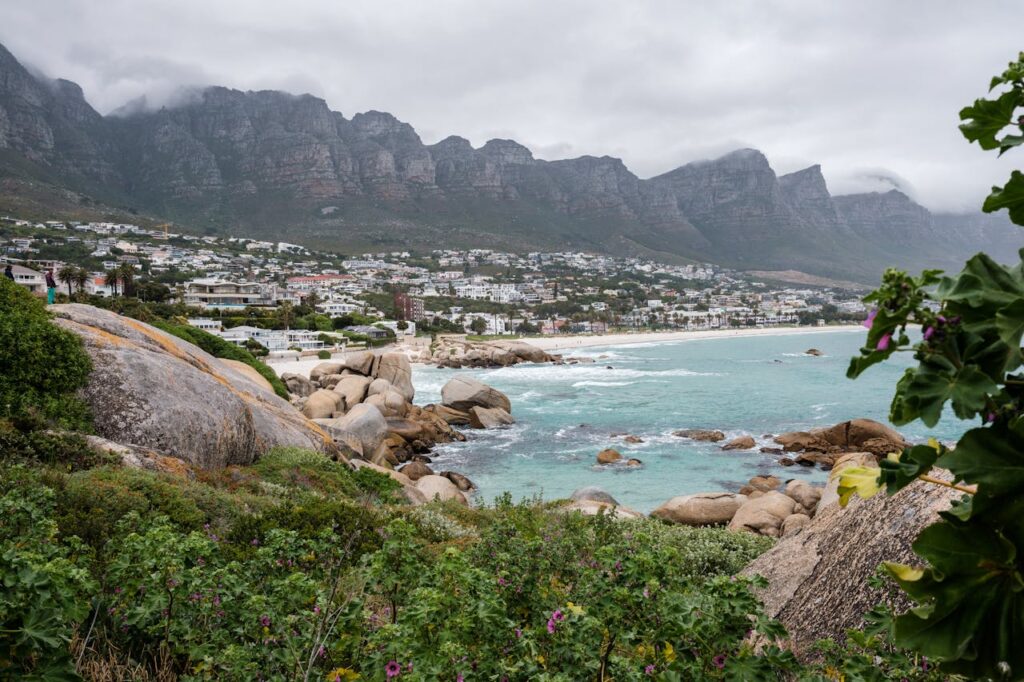
The Western Cape operates on an almost opposite schedule to the safari regions. Here, the best time to visit South Africa’s southwestern corner is from November to March, when the Mediterranean summer delivers long, warm, sun-drenched days.
Summer in Cape Town (November to March)
Cape Town in summer is arguably one of the most beautiful cities on earth. Table Mountain is draped in sunshine, beaches like Camps Bay and Clifton buzz with energy, and the Winelands are at their most picturesque — vines heavy with grapes and wildflowers blooming across the fynbos landscape.
December and January are the busiest months, coinciding with South African school holidays and European summer breaks. Prices soar and popular attractions require advance booking, but the atmosphere is electric.
February and March are arguably the finest months in Cape Town. The holiday crowds thin, the weather remains exceptional, and the Winelands harvest season transforms the region into a culinary paradise — harvest festivals, outdoor markets, and freshly pressed wines at every turn.
Winter in the Western Cape (June to August)
While the Kruger safari season peaks, Cape Town’s winter can be cold and wet, with frequent storms rolling in from the Atlantic. That said, winter is whale-watching season along the Hermanus and Walker Bay coastline — Southern Right Whales calve in these waters from June through November, offering some of the best land-based whale watching on earth.
Winter also means significantly lower accommodation prices and fewer tourists at major attractions like the Cape Peninsula, Kirstenbosch Gardens, and Robben Island.
Month-by-Month Breakdown
| Months | Best For | Climate & Vibe |
|---|---|---|
| January & February | Cape Town beaches, Garden Route road trips, Winelands harvest | Warm and sunny in the Cape; hot and rainy in the Kruger region. Fantastic for coastal travel. |
| March & April | Winelands harvest festivals, whale watching begins, transitional safari | Shoulder season in both regions. Crowds thin. Excellent value and comfortable temperatures country-wide. |
| May & June | Early safari season, whale watching, Cape Town (budget) | The dry season begins in Kruger. Game viewing improves weekly. Western Cape winters set in. |
| July & August | Peak safari in Kruger and private reserves, whale watching in Hermanus | The absolute pinnacle of wildlife viewing. Book well in advance. Budget for premium lodge rates. |
| September & October | Safari, wildflower season (Namaqualand), Cape Town spring | Spectacular period. The arid Namaqualand landscape erupts in millions of orange, yellow, and white flowers. |
| November & December | Green season safaris, birdwatching, Cape Town summer | The rains return to the Lowveld. Baby animals are born. Lodges offer discounts. Cape Town summer begins. |
South Africa’s Peak, Shoulder, and Off-Peak Seasons
Understanding South Africa’s travel seasons helps with budgeting and planning:
- Peak Season (June–September for safari; December–February for Cape Town): Highest prices, maximum crowds, best conditions for specific activities. Book 6–12 months in advance for top lodges and popular Cape Town accommodation.
- Shoulder Season (April–May and October–November): Excellent conditions in many regions with fewer tourists and more competitive rates. Often considered the insider’s choice for a well-rounded experience.
- Off-Peak Season (Varies by region): Budget-friendly travel with trade-offs in weather or game-viewing conditions. Ideal for travelers who prioritize value and don’t mind adapting their itinerary.
Practical Tips for Planning Your South Africa Trip
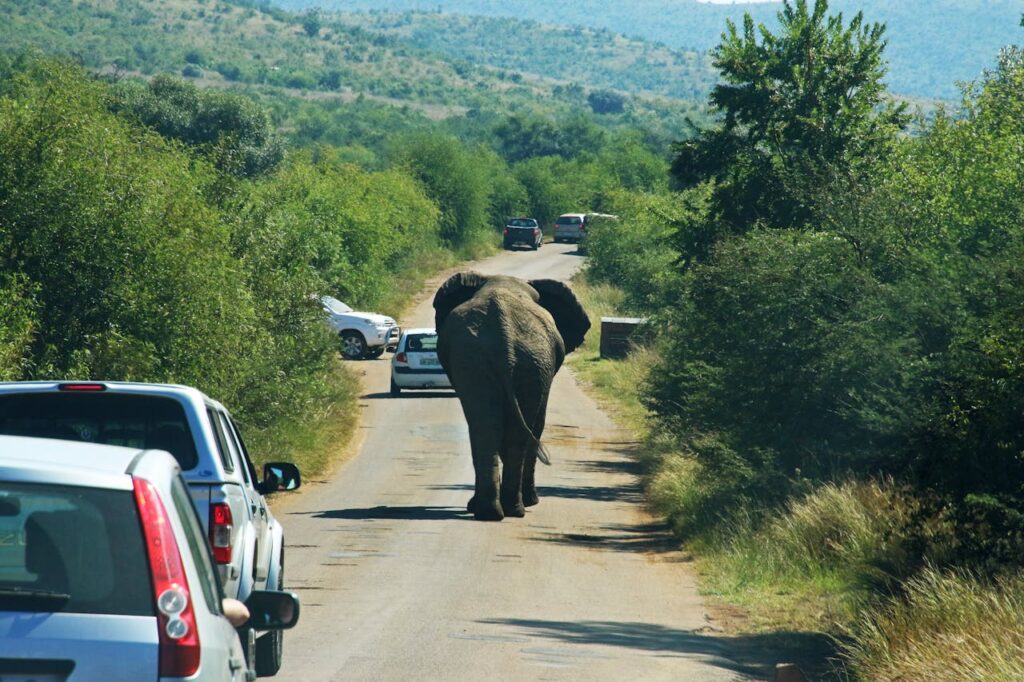
- Book safari lodges early: Premium private game reserves in the Greater Kruger Area book up 9–12 months in advance for peak season. If you have specific properties on your wish list, don’t delay.
- Consider a dual-region itinerary: Many travelers split their time between Cape Town and the Kruger region — and since both have distinct seasons, spring (September–October) and autumn (March–April) offer the best balance for experiencing both.
- Pack for layering: Even in peak summer, evenings in the Highveld and during game drives can be surprisingly cold. Bring layers regardless of the season.
- Get travel insurance: South Africa’s healthcare facilities in major cities are excellent, but remote areas require medical evacuation coverage. Comprehensive insurance is non-negotiable.
- Respect wildlife guidelines: Whether in a national park or private reserve, always follow your guide’s instructions and maintain safe distances from animals. South Africa’s conservation areas are world-class — help keep them that way.
Final Verdict: When Is the Absolute Best Time to Travel to South Africa?
If forced to choose a single window, late May through early September delivers the most consistently rewarding experience for the widest range of travelers. Safaris are at their peak, whale watching is spectacular along the Southern Cape coast, and the absence of malaria-season rainfall makes travel comfortable across multiple regions.
But South Africa’s true magic lies in its year-round appeal. Whether you’re watching a blood-orange sunset over the Drakensberg in February, following a cheetah through the Sabi Sand in July, or watching a Southern Right Whale breach in the waters off Hermanus in August, this country has a way of stunning you at every turn — no matter when you arrive.
The best time to visit South Africa, ultimately, is whenever you can make it happen. Start planning, book early, and prepare to have your expectations exceeded.