The Best Time to Visit Machu Picchu: A Guide for First-Timers

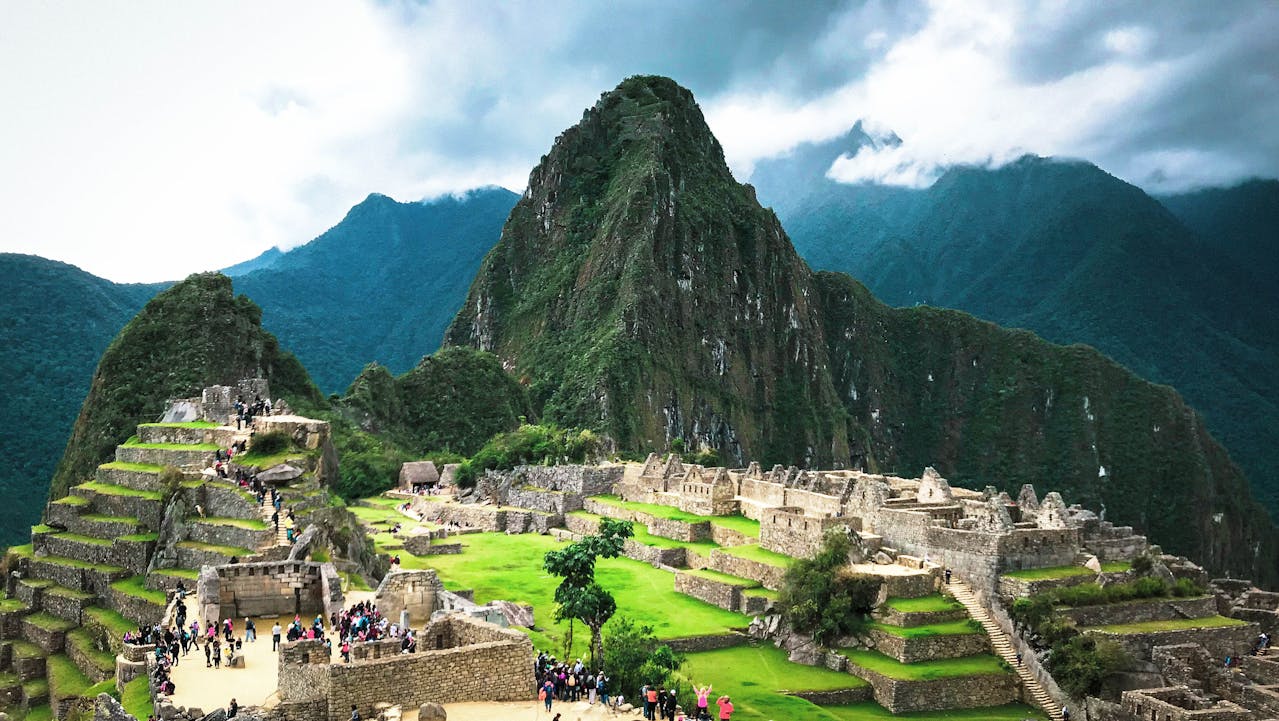
Nearly a million people make the journey each year. The ones who leave genuinely moved are the ones who planned smart — and understood that timing matters more than almost anything else.
The best time to visit Machu Picchu has always been a complicated question — and in 2026, it’s more layered than ever. This is a site that survived Spanish conquest, centuries of jungle overgrowth, and the slow fade of an empire. What it hasn’t entirely survived is mass tourism. With nearly one million visitors a year, Peru’s Ministry of Culture has responded with tighter controls, time-specific circuits, and a ticketing system that requires real advance planning.
That doesn’t make the trip less worth it. It makes the planning more important.
What follows draws on guidance from two specialists who know this site in depth: Marisol Mosquera, who has been crafting Peru itineraries since 1996 through her agency Aracari Travel, and Kiernan Cochran, head of product at Andean and a decade-long resident of Peru. Between them, they’ve navigated every season, every crowd surge, and every rule change this site has thrown at travelers.
|
Key Takeaways
• The best months to visit Machu Picchu are April–May and September–November: dry enough, less crowded than peak summer. |
When Is the Best Time to Visit Machu Picchu?
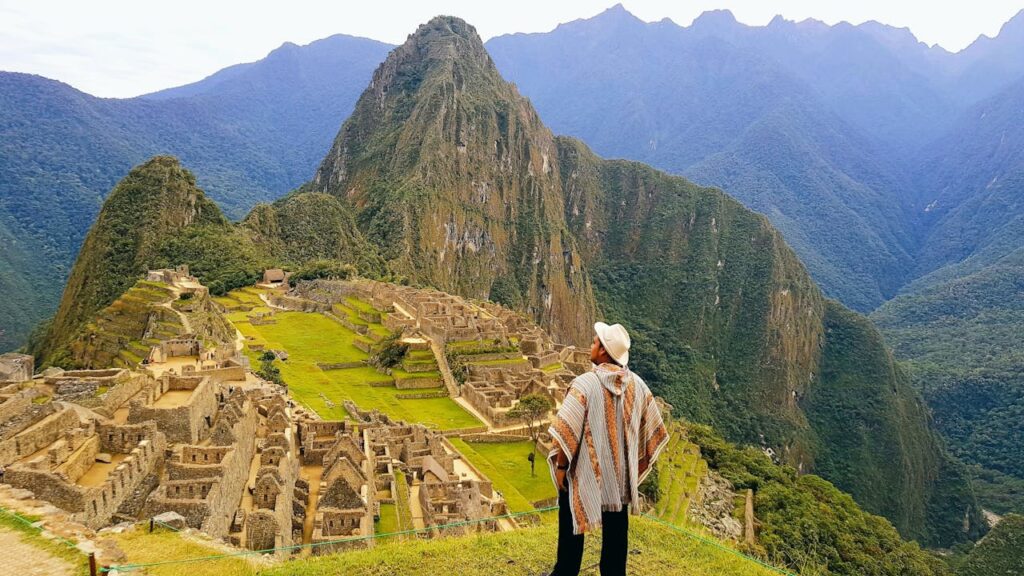
Machu Picchu sits in a cloud forest at around 7,970 feet above sea level, which means the weather rarely behaves the way travelers expect. The dry season runs broadly from April through October, but that window isn’t monolithic — and the months at either end of it are, by most expert accounts, the best time to go to Machu Picchu.
“We actually prefer April through May, and September through November, for reliable weather without peak crowds.” — Marisol Mosquera, Aracari Travel
April and May sit in what locals call the “shoulder season”: the rains have tapered off, the mountains are still lush and green, and the high-season crowds haven’t arrived yet. Cochran describes it plainly — “there’s enough space between tour groups to actually hear yourself think.” That’s not a small thing at a site this iconic.
September and October offer a similar dynamic on the back end of the dry season. By then, the June–August tourist peak has wound down, but the weather remains cooperative. Both windows represent a rare alignment: predictable conditions and manageable crowds.
What About the Best Month to Visit Machu Picchu Specifically?
If forced to pick a single month, most experienced guides lean toward May or October. May gives travelers the post-rainy-season lushness — waterfalls still running, everything intensely green — without the summer rush. October delivers golden-hour light, thinner crowds, and temperatures that stay comfortable throughout the day.
Neither month is risk-free. A late-afternoon shower in May isn’t unusual. But compared to the alternatives, both offer a more intimate encounter with the site than the July peak can provide.
| Recommended |
|
April – May Post-rainy-season green, light crowds, good weather. The sweet spot for first-timers. |
| Recommended |
|
September – November Dry conditions, thinning crowds after the summer surge, excellent photography light. |
| Peak Season |
|
June – August Reliable weather, maximum crowds. Capacity rises to 5,600 daily. Book 6 months out for popular routes. |
| Budget-Friendly |
|
November – March Lower prices, fewer visitors, misty atmosphere. Rain typically falls in afternoons, not all day. |
When Is the Cheapest Time to Visit Machu Picchu?
November through March is where the savings are. Airfare drops, accommodation rates fall, and the site operates at lower capacity — which, frankly, is often an asset rather than a drawback.
Mosquera makes an unexpectedly strong case for the wet season: “It’s actually my favorite time. The site becomes magical with fewer crowds, and the rain isn’t nearly as disruptive as people imagine. It mainly falls in the evenings, not all day.” February is particularly quiet, because the Inca Trail closes for annual maintenance — reducing one major source of foot traffic entirely.
The visual payoff is real. Stone terraces turn a deeper green. Morning mist rolls through the ruins in ways that no photograph fully captures. Hidden waterfalls appear along the hillsides. For travelers willing to pack a light rain jacket and adjust expectations, the wet season delivers a Machu Picchu that most visitors never see.
One caveat: even during low season, popular add-ons like the Huayna Picchu climb require booking roughly three months ahead. During peak months, that extends to six. The permit caps apply year-round.
Practical note: The Inca Trail closes every February for maintenance. This is actually one of the quietest times to visit the main site — and a good option for travelers who aren’t planning the multi-day trek.
When Is Peak Season — and What Does That Actually Mean?
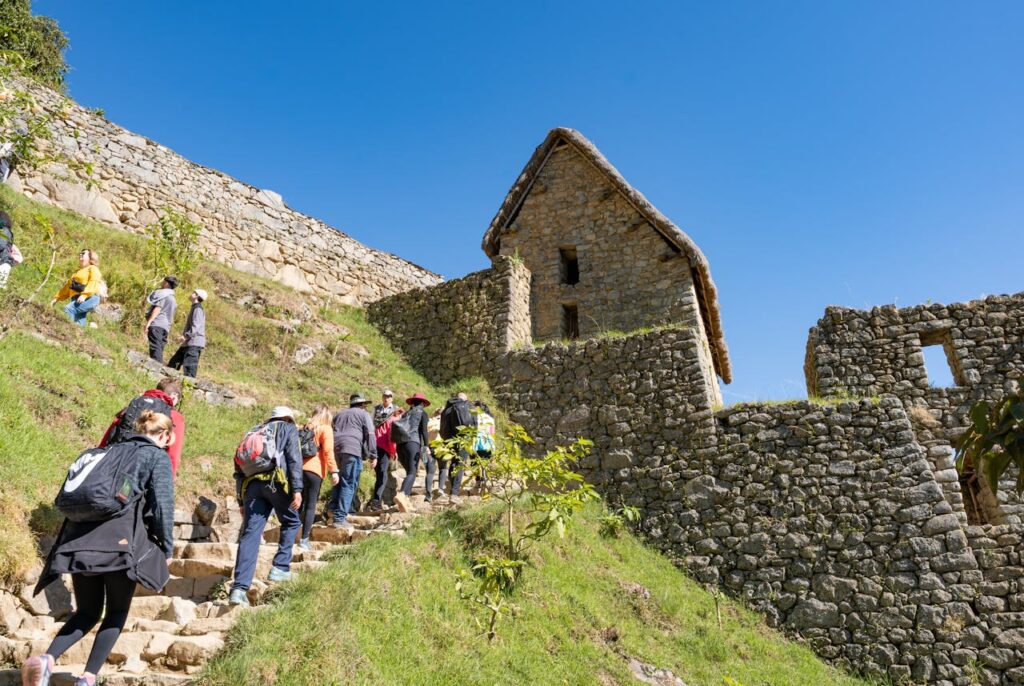
The conventional answer is June through August. The more accurate answer is that Machu Picchu has several distinct surge periods throughout the year, and visitors should plan around all of them.
The rhythm runs roughly like this: Holy Week in late March brings domestic Peruvian travelers in large numbers, overlapping with North American spring break. The main tourist wave then builds from late June and sustains through early November — the window when the Ministry of Culture formally raises the daily cap to 5,600 visitors. Specific dates see even sharper spikes: Inti Raymi (June 24), Peru’s Independence Day (July 28), and the New Year holiday window.
“Inti Raymi transforms the entire region,” Cochran explains. “It’s the most important celebration in the Incan calendar, and Cusco erupts with traditional dances all month.” Visiting during these windows can be extraordinary — but it requires booking significantly earlier and targeting entry times outside the 10 a.m.–2 p.m. rush.
How Many Days Do You Actually Need?
The standard tourist circuit through Machu Picchu takes about three hours. That number misleads almost everyone.
“Plan for four to five nights minimum in the Cusco region,” Cochran advises. Part of that is altitude acclimatization — Cusco sits at roughly 11,150 feet, and pushing straight to the ruins without adjustment is a reliable way to undermine the experience. But the bigger reason is context.
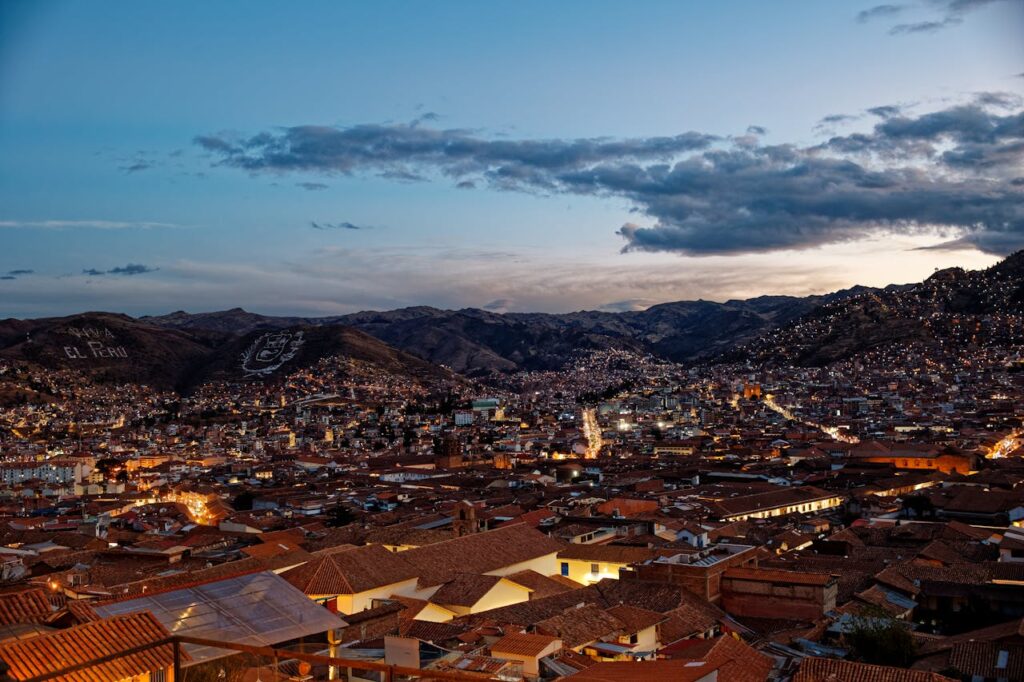
Machu Picchu makes more sense as the culmination of a larger journey through the Sacred Valley than as a standalone day trip. Sites like Pumamarca fortress and Huchuy Qosqo provide Incan historical context without the crowds. Spending time in the valley first positions Machu Picchu as what it actually is: the apex of an entire civilization’s architectural achievement, not just a photogenic ruin.
Which Circuit Is Right for a First Visit?
Understanding Machu Picchu’s circuit system before booking isn’t optional — it determines what you’ll see, how long you’ll be there, and how physically demanding the visit will be. The site currently operates three main circuits, each with route variations.
| Circuit | Best For | Notes |
|---|---|---|
| Circuit 1 – Panoramic | Iconic views, photographers | Route 1-A (Machu Picchu Mountain) requires ~4 hrs, 3,000 stone steps. Route 1-B is less strenuous. |
| Circuit 2 – Inca City | First-timers, history seekers | Available year-round. Covers the main plaza, Sacred Rock, and actual Incan streets with original mortar. |
| Circuit 3 – Royalty | Adventurous visitors | Includes the Huayna Picchu climb — narrow stairs, vertiginous drops. Also covers the Temple of the Sun and Royal Tomb. |
For most first-timers, Circuit 2’s Classic route (2-A) is the right starting point. It combines the most-photographed viewpoints with substantive exploration of the historical core. Cochran also suggests considering the one-day Inca Trail option as an arrival route — a train to the cloud forest, then a hike past lesser-known sites before reaching the Sun Gate, which is a meaningful way to approach the citadel without committing to a multi-day camping expedition.
2026 Ticketing and Timing: What’s Changed
Peru’s Ministry of Culture now manages Machu Picchu visits through the TuBoleto portal, which released its full 2026 calendar in November 2025. Every ticket requires selecting both a specific entry time and a circuit. QR codes are checked against passports at entry — there’s no flexibility once a time slot is booked.
Key 2026 Peak Dates (5,600 Daily Cap)
The higher capacity limit applies on: January 1; April 2–5 (Holy Week); June 19 through November 2; and December 30–31. Outside these windows, the baseline cap is 4,500 visitors per day. These limits translate into hourly allotments, which is why the site can appear “sold out” online while a small number of in-person tickets remain available in Cusco or Aguas Calientes — though this should never be relied upon during busy periods.
Entry Timing Strategy
The first shuttles from Aguas Calientes depart at 5:30 a.m. The site closes at 5:30 p.m. Between 10 a.m. and 2 p.m., the site is at its most crowded. The two best entry windows are early morning — arriving with the first buses to experience the citadel in low light and minimal foot traffic — or after 2 p.m., when tour groups begin departing and the afternoon light improves for photography. Building in a 30-minute buffer for shuttle queues in each direction helps avoid missing entry times.
Access and Infrastructure: What to Know for 2026
Most visitors travel to Machu Picchu by train from Cusco or the Sacred Valley to Aguas Calientes, then take the shuttle bus up to the site. This remains the most reliable route, and both specialists recommend it as the default plan.
The overland Santa María–Santa Teresa–Hidroeléctrica corridor is being gradually paved, but conditions vary by season and the zone is prone to landslides. It’s an option for budget travelers, but not the one most first-timers should build their itinerary around.
The Inca Trail’s annual February closure and permit caps (which sell out months ahead) mean that anyone planning the multi-day trek should book through authorized operators well before departure — ideally before the rest of the trip is finalized.
On responsible travel: Cochran is direct about this: “Community engagement requires intent and sensitivity. Always seek permission for photos, consider offering tips for portraits, and respect local protocols. These sites remain spiritually significant to local communities.” With visitor numbers approaching one million annually, the balance between access and preservation matters.
Where to Stay Near Machu Picchu
Aguas Calientes is the gateway town — a 20-minute bus ride from the ruins — and home to the closest hotels. Three options stand out:
|
Sumaq Machu Picchu Hotel ~$350–$500/night 60 rooms on the Urubamba River. Offers 5 a.m. breakfast for first-bus guests, coca-leaf therapies at the Aqlla Spa, and staff experienced in navigating TuBoleto logistics. Strong river-view categories. |
|
Casa del Sol ~$150–$250/night 30 rooms near the shuttle stop. Hydrotherapy at K’intu Spa, a Jacuzzi-equipped suite, and a more accessible price point. The restaurant is inconsistent and the international décor divides opinion. |
|
Inkaterra Machu Picchu Pueblo Hotel ~$400–$800/night 83 casitas in a private cloud-forest reserve. Orchid walks, a botanically-focused spa, a glass-walled riverfront restaurant, and early breakfasts. The villa commands a premium but delivers something genuinely different. |
Note: The Sanctuary Lodge at the citadel gates — long the only hotel directly adjacent to the ruins — is currently operating under a lapsed concession pending official renewal through the rest of 2026. Many travelers now base themselves in the Sacred Valley instead, day-tripping by early train, and pairing that with better dining and space at properties like Belmond Rio Sagrado or Sol y Luna.
For those who want to make the journey itself part of the experience: the Hiram Bingham train converts the approach into a multi-hour event, with dining cars, a pisco bar, and an open-air observation car. It’s a splurge, but one that fits the occasion.