10 Best Places to Visit in China in 2026: A Complete Travel Guide
The best places to visit in China in 2026 span an almost absurd range ancient walled cities, limestone peaks that look lifted from a painting, megacities with skylines that would embarrass New York, and villages where the same tea rituals have played out for centuries. Narrowing it down is genuinely hard.
| Key Takeaways – Beijing and Xi’an offer the deepest immersion in imperial Chinese history. – Zhangjiajie and Guilin deliver China’s most dramatic natural scenery. – Spring (April – May) and autumn (Sept – Oct) are the most comfortable travel windows. – China’s internet restrictions require preparation download a VPN and offline maps before departure. – High-speed rail connects most major destinations efficiently and affordably. |
Top Places to Go in China in 2026
1 – Beijing Where Dynasties Left Their Mark
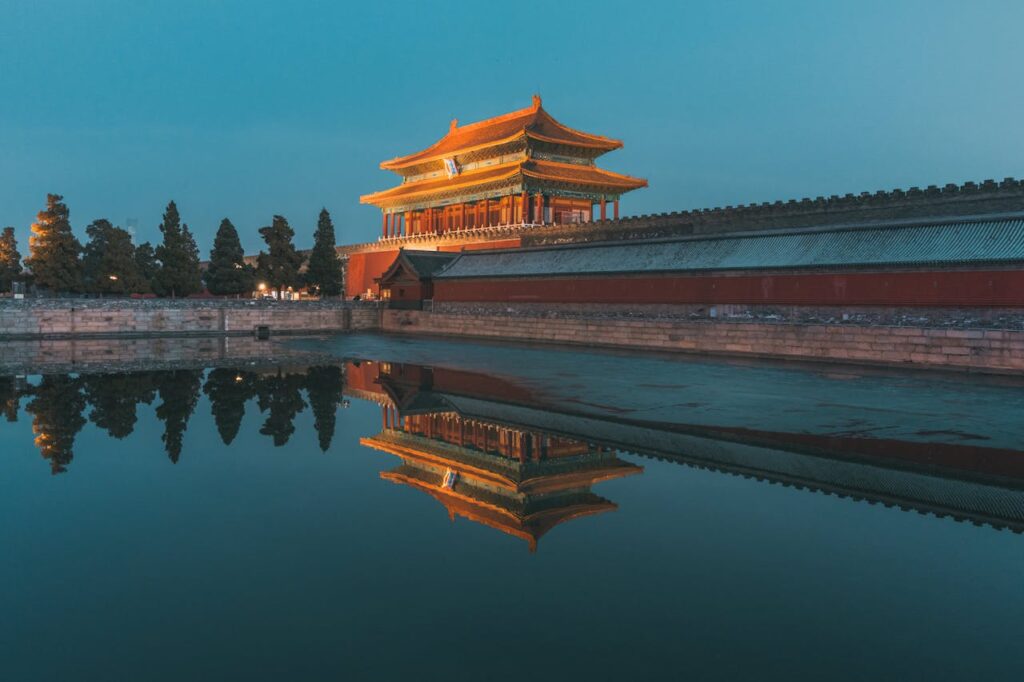
Beijing is unavoidable on any serious China itinerary, and for good reason. The city holds more than 3,000 years of history within its ring roads and manages to wear that history without turning into a museum piece. Streets that once wound around imperial courtyards now buzz with coffee shops and design studios.
The Forbidden City alone demands half a day. Home to 24 emperors across the Ming and Qing dynasties, its 9,000+ rooms are the largest surviving palace complex in the world. The crowds inside can be thick by mid-morning, so an early start pays off. A short distance away, Tiananmen Square and the Temple of Heaven add further layers to a city that consistently rewards slow exploration.
For the Great Wall, the Mutianyu section about 90 minutes northeast of the city strikes the right balance between accessibility and atmosphere. It’s less saturated than Badaling and better preserved than some of the wilder sections. Go on a weekday if possible.
| Travel Tip: Beijing’s subway system is excellent and inexpensive. Most international websites are restricted; download a reliable VPN before departure, and set up offline maps through Google Maps or Maps.me. |
2 – Shanghai A City That Doesn’t Slow Down
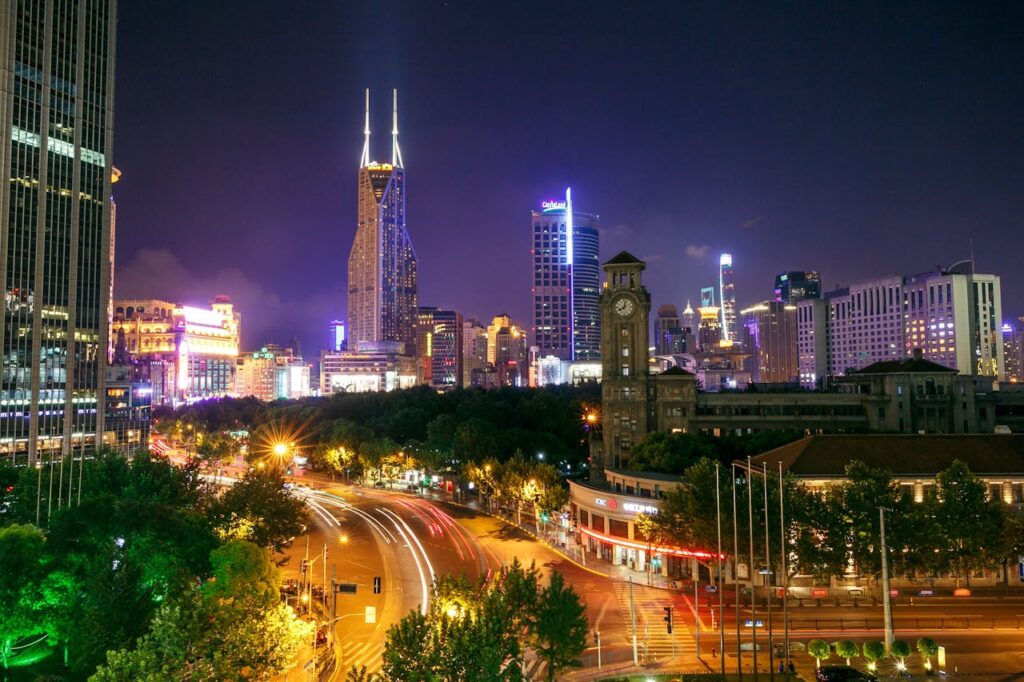
Shanghai operates at a different speed. The Bund a mile-long strip of 1920s colonial architecture running along the Huangpu River faces the Pudong skyline across the water, and that contrast captures something essential about the city. One bank frozen in the past, the other racing ahead of it.
Beyond the photogenic waterfront, the French Concession neighborhood rewards aimless wandering. Tianzifang, a converted network of shikumen lanes, hosts independent cafés, ceramics studios, and food stalls without the forced-quaintness of some tourist precincts. Nanjing Road handles the shopping if that’s the priority; it’s one of the busiest commercial streets in the world. Yu Garden, built during the Ming Dynasty, offers a genuinely peaceful counterpoint classical pavilions, koi ponds, and rockeries tucked behind the old city’s noise.
Shanghai Tower’s observation deck, on the 118th floor of China’s tallest building, reframes the whole city in one view.
| Travel Tip: The Bund is worth two visits once in daylight for the architecture, once after dark when both banks light up. Evening river cruises are affordable and offer a different perspective entirely. |
3 – Xi’an Capital of Thirteen Dynasties
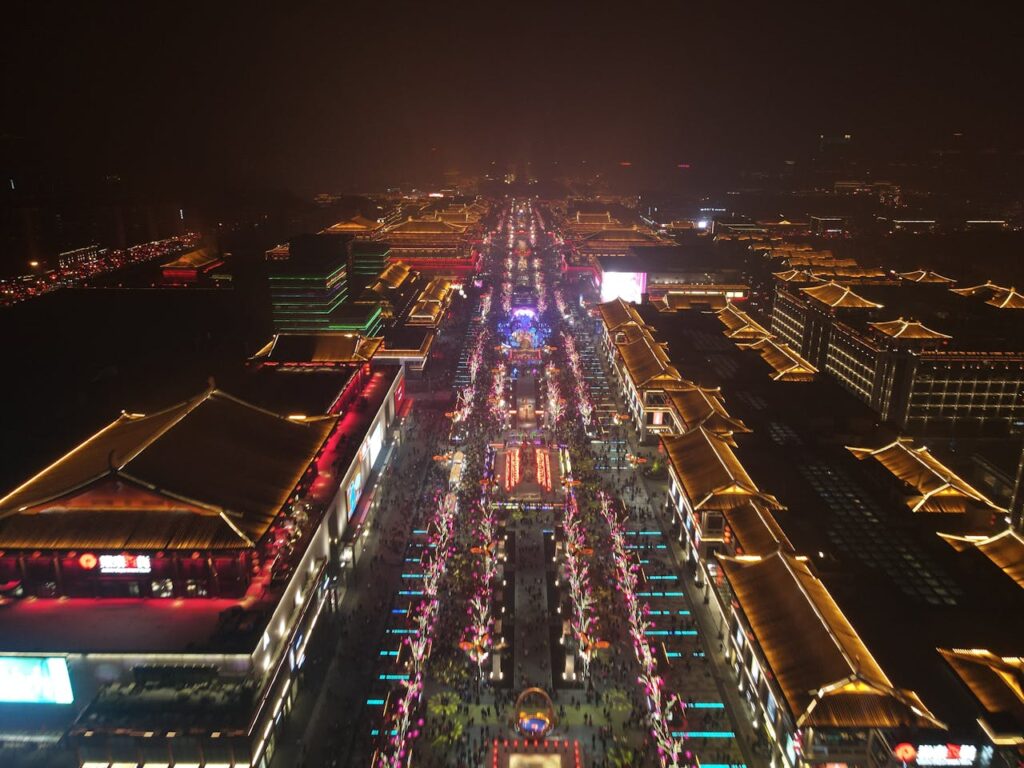
Xi’an spent roughly 1,100 years as the seat of Chinese imperial power, and that accumulation of history is still visible everywhere. The city’s ancient wall one of the most complete in China rings the old center. Renting a bicycle and cycling the full 14-kilometer loop is one of the better ways to spend an afternoon in the country.
The Terracotta Army is the headline attraction, and it lives up to the reputation. Discovered by farmers in 1974, the burial complex of Emperor Qin Shi Huang contains an estimated 8,000 life-sized warriors, each with individually modeled facial features. Pit 1, the largest, is simply staggering in scale. Pit 3, the smallest, offers a closer look at the craftsmanship. The site is about 45 minutes from the city center by bus or taxi.
Back in Xi’an, the Muslim Quarter delivers one of China’s most vivid street-food experiences. Lamb skewers, roujiamo (essentially China’s oldest sandwich), and sesame-crusted flatbreads crowd the alleyways around the Great Mosque itself a remarkable piece of architecture that blends Islamic and Chinese forms.
4 – Chengdu Pandas, Hotpot, and a Slower Rhythm
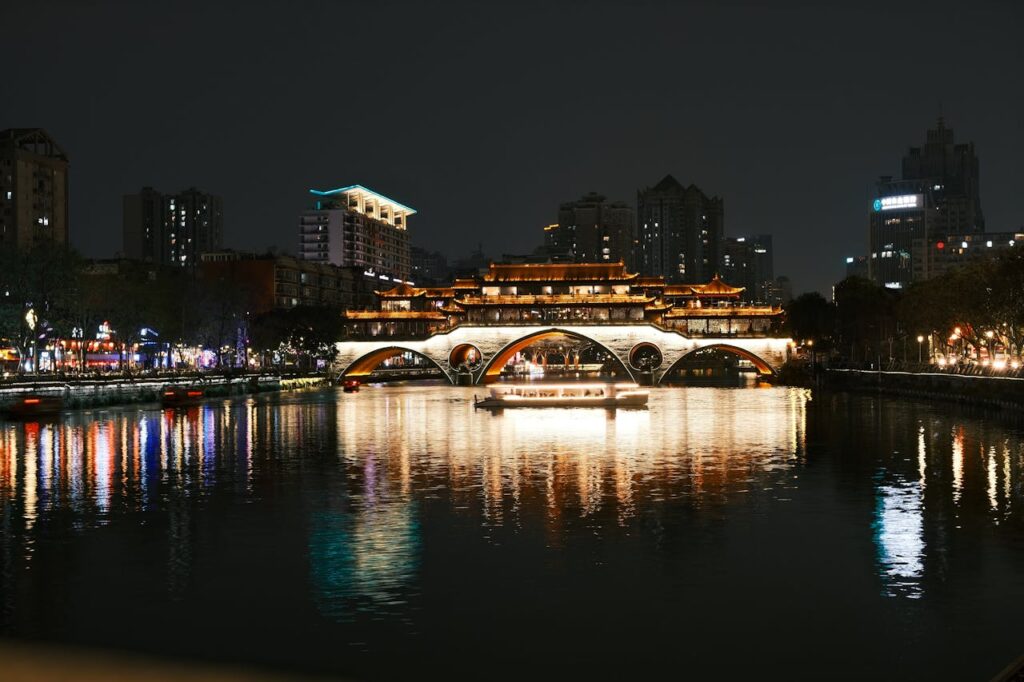
Chengdu has a reputation among Chinese cities for being easy. Locals spend hours in teahouses playing mahjong. The street food is exceptional. The pace, at least compared to Beijing or Shanghai, is genuinely relaxed though the city of 21 million people is hardly sleepy.
The Chengdu Research Base of Giant Panda Breeding is the main draw for most international visitors, and it delivers. Arrive before 10am to catch the animals active and eating bamboo; by noon they tend to nap. The base houses around 50 giant pandas alongside red pandas, which get far less attention but are arguably equally charming.
Sichuan cuisine fiery, numbing, and deeply complex is best experienced in Chengdu. A traditional hotpot dinner, with its bubbling broth laced with Sichuan peppercorns and dried chilies, is practically obligatory. Jinli Ancient Street and Kuanzhai Alley offer more relaxed introductions to the city’s atmosphere, with street performances, teahouses, and local snacks.
| Travel Tip: Spring (MarchApril) is the best season for Chengdu mild weather and active pandas. Sichuan food’s heat is the genuine article; ask staff to dial it back if needed, they’re used to the request. |
5 – Guilin and Yangshuo The Landscape on the 20-Yuan Note
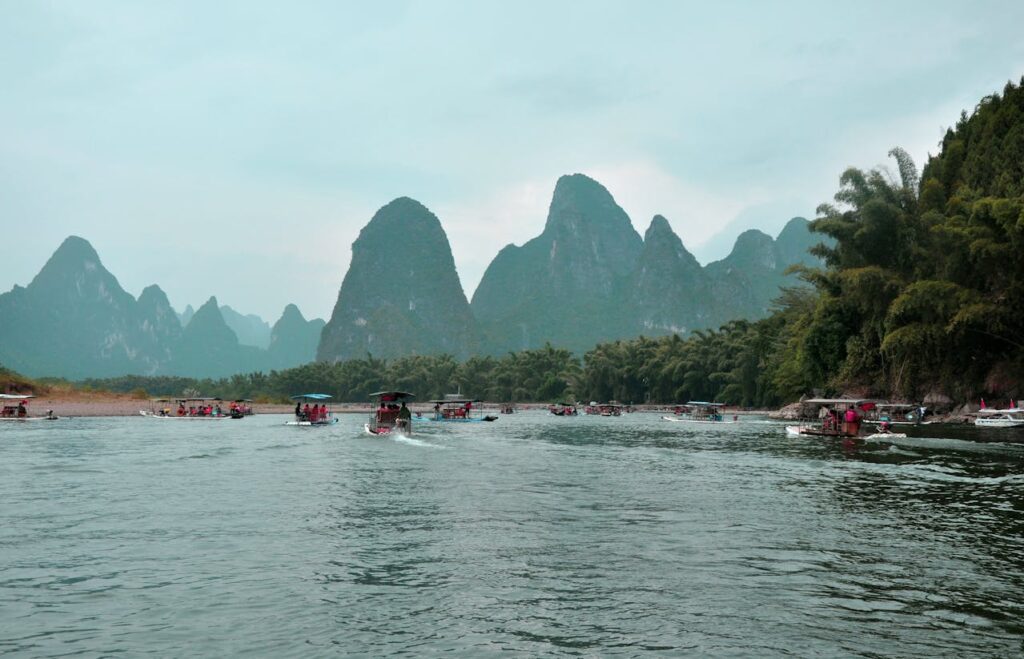
The karst landscape around Guilin is the version of China that ends up on postcards and on the back of the 20-yuan banknote. Limestone towers rise from flat plains and river valleys in formations that look computer-generated until they’re right in front of you.
The Li River cruise between Guilin and Yangshuo, covering roughly 83 kilometers, is the classic way to take in the scenery. The four-to-five-hour journey drifts past cormorant fishermen, water buffalo standing in shallow rice paddies, and peaks with names like Nine Horses Hill. An alternative for those who prefer to move: bamboo rafting on the Yulong River outside Yangshuo covers similar landscape at a more intimate scale.
Yangshuo itself smaller than Guilin and more relaxed is worth two or three nights. The surrounding countryside is ideal for cycling, and the rock climbing on the area’s limestone cliffs has developed a serious international reputation. Moon Hill, a natural stone arch accessible via a 45-minute hike, gives sweeping valley views.
Best Places in China for Nature and Adventure
6 – Zhangjiajie The Real Floating Mountains
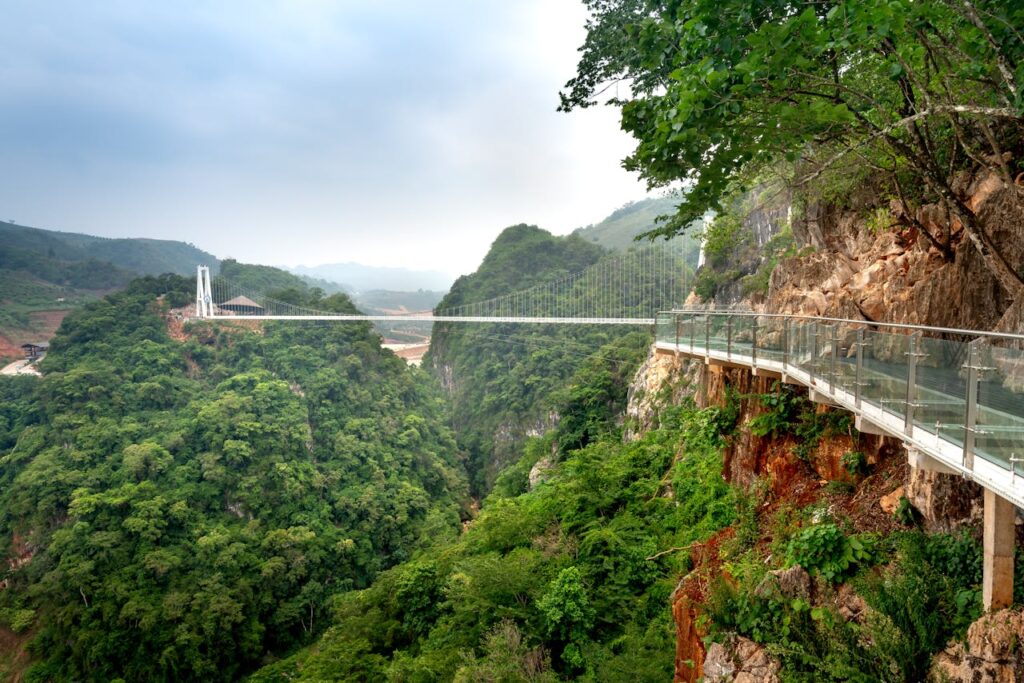
The sandstone pillars of Zhangjiajie National Forest Park in Hunan Province provided the visual inspiration for Pandora in James Cameron’s Avatar. Standing among them confirms that no amount of CGI enhancement was necessary they’re extraordinary without any help.
The park covers over 4,800 square kilometers of dense forest, deep ravines, and quartzite columns, some exceeding 200 meters in height. The Avatar Hallelujah Mountain (officially renamed after the film’s release) is the most photographed, but the area around Tianmen Mountain with its natural stone arch, glass skywalk, and cable car is equally striking. The Zhangjiajie Glass Bridge, spanning a gorge at 300 meters elevation, is the world’s longest glass-bottomed bridge.
| Travel Tip: Early morning visits, particularly after rain, produce the mist that makes these landscapes look most dramatic. Midday crowds thin considerably if the entrance is reached before 8am. |
7 – Yunnan Province Five Countries in One
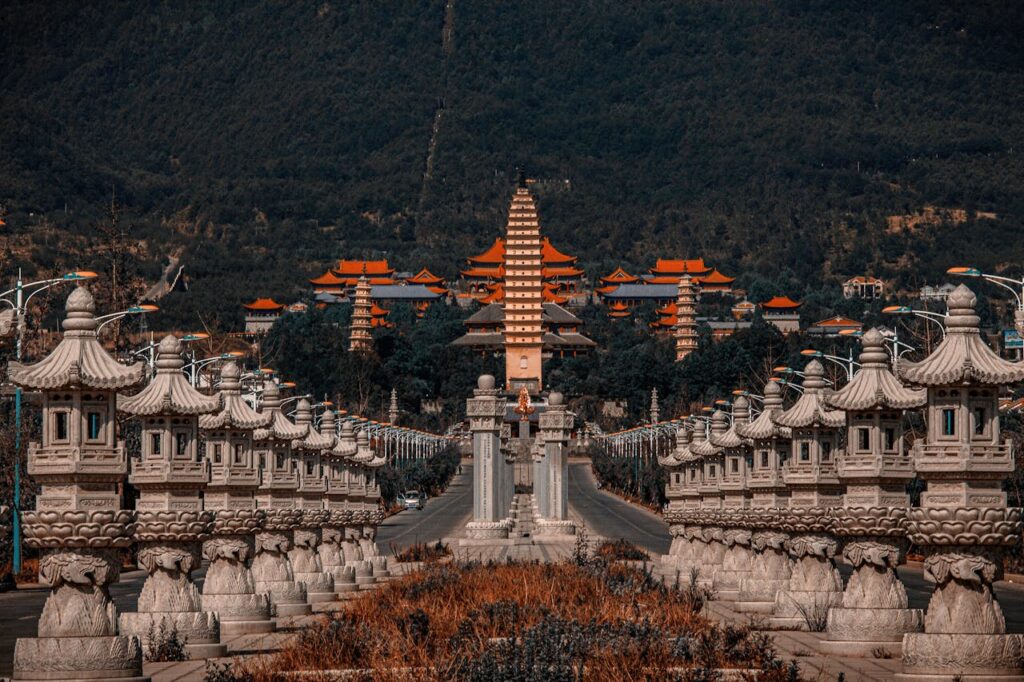
Yunnan resists easy categorization. China’s most biodiverse province borders Myanmar, Laos, and Vietnam, and is home to 25 of China’s 55 recognized ethnic minorities. The cultural and geographic variation across the province is extraordinary subtropical valleys, high-altitude Tibetan plateaus, and everything in between.
Lijiang’s ancient town, a UNESCO site, is the most visited base cobblestone lanes, wooden Naxi architecture, and a backdrop of jade-green mountains. Tiger Leaping Gorge, a two-day trek between Lijiang and Shangri-La, follows the Jinsha River through one of the world’s deepest canyons. The Yuanyang rice terraces, best seen at sunrise when water reflects the sky, are among the most arresting landscapes in the country. Shangri-La, high on the Tibetan plateau, holds golden-roofed Tibetan monasteries and pine-forested hiking trails.
8 – Harbin Winter as the Attraction
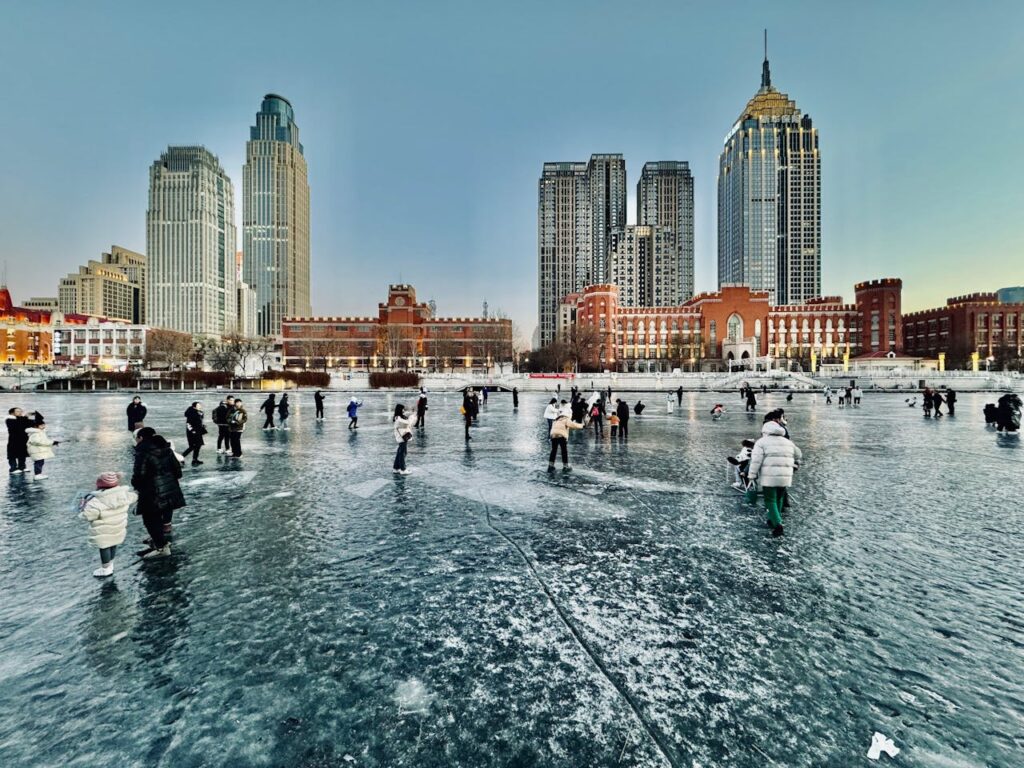
Most travelers visit China in the milder months. Harbin, in China’s northeast, makes a case for going in January or February, when temperatures drop to -25°C and the city transforms into something genuinely unusual.
The Harbin Ice and Snow World festival runs from late December through February and involves constructions ice palaces, towers, slides on a scale that has to be seen to be believed. Colored lights illuminate the structures from inside, producing an effect that photos only partially capture. The Sun Island Snow Sculpture Expo, running simultaneously, focuses on intricate carved snow figures. Central Street (Zhongyang Dajie), the city’s main boulevard, is lined with Russian Orthodox architecture left from the era of Russian influence in the early 20th century St. Sophia Cathedral is the best-preserved example.
| Travel Tip: Extreme cold requires preparation thermal underlayers, insulated boots, and hand warmers. The upside: lower prices, manageable crowds, and photographs that look like nothing else from a China trip. |
9 – Suzhou Classical Gardens and Canal Streets
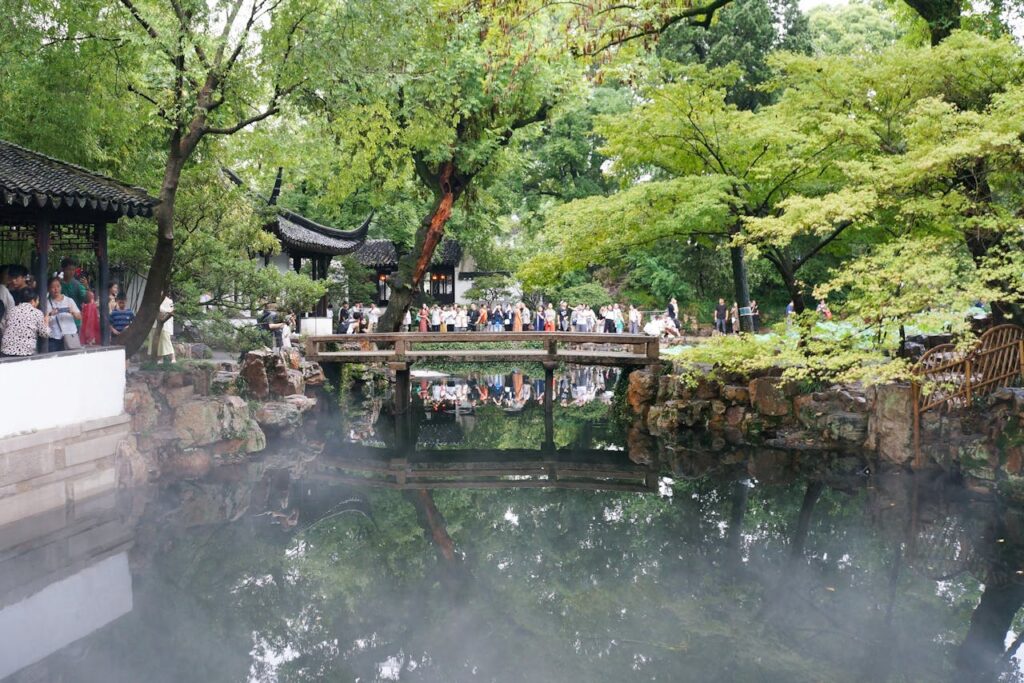
Suzhou sits 100 kilometers west of Shanghai and is accessible by high-speed rail in under 30 minutes making it an easy day trip, though an overnight stay allows for a more genuine experience of the city’s quieter side.
The city is famous for its classical gardens, nine of which are UNESCO-listed. The Humble Administrator’s Garden, the largest in Suzhou, is a carefully balanced composition of ponds, pavilions, and covered walkways that has been in near-continuous use since the 16th century. Pingjiang Road, running alongside a canal in the old city, offers a less-curated glimpse of Suzhou’s pace local cafés, small restaurants, and traditional buildings without the polish of the main tourist areas.
10 – Yangshuo’s Countryside and the Li River Villages
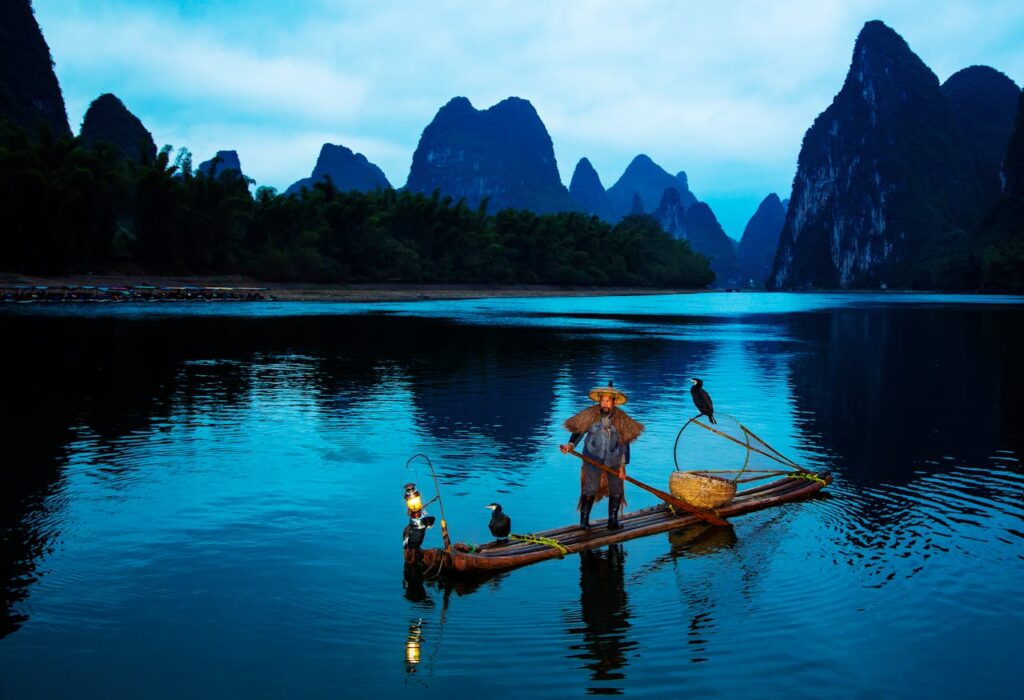
While Guilin handles the main river cruise, the villages between Yangshuo and Guilin offer a slower, less mediated version of the same landscape. Cycling between Yangshuo and Xingping a two-hour ride through rice fields and karst formations passes through communities that still rely on traditional fishing methods. The viewpoint above Xingping directly overlooks the stretch of river featured on the 20-yuan note.
When to Go: Seasonal Guide to the Best Places to Visit in China
| Season | Months | Best For | Avoid |
|---|---|---|---|
| Spring | Mar – May | Beijing, Xi’an, Shanghai, Yunnan wildflowers, Guilin before rains |
| Summer | Jun – Aug | Tibet highlands, Harbin, Inner Mongolia | Southern China (humidity and monsoon rains) |
| Autumn | Sep – Nov | Jiuzhaigou foliage, city travel nationwide, Chengdu | Golden Week (Oct 17): prices spike, crowds surge |
| Winter | Dec – Feb | Harbin Ice Festival, Hainan Island beaches | Northern China without cold-weather gear |
Chinese New Year falls between late January and mid-February depending on the year. Domestic travel during this period reaches its highest volumes of the year book trains and accommodation well in advance if traveling then, or plan around it.
Practical Tips for Traveling the Best Places in China
Connectivity: China’s Great Firewall blocks Google, WhatsApp, Instagram, Facebook, and most Western platforms. Download a trusted VPN before arrival it cannot be reliably sourced once inside the country. For data access, a travel eSIM avoids the SIM registration paperwork required for local cards and provides coverage from the moment of landing.
Payments: Cash use has declined significantly in Chinese cities. WeChat Pay and Alipay dominate international visitors can now link foreign cards to tourist versions of both apps, which simplifies transactions considerably. Carry some cash for rural areas and smaller vendors.
Transport: China’s high-speed rail network is one of the world’s best. The 12306 app (available in English) and Trip.com handle bookings. For cities, metro systems are clean, inexpensive, and well-signed in English. Download Baidu Maps or Amap for navigation Google Maps has limited functionality in China.
Language: English is reliably spoken in hotels and major tourist sites in larger cities, but limited elsewhere. Basic Mandarin phrases go a long way in rural areas. Translation apps like Pleco work offline.
Visas: Requirements vary by nationality and change periodically. Consult your country’s Chinese embassy or the official visa application center for current information before booking.
| Ready to Plan Your China Trip? Use this guide as a starting point, then dig into the specifics for each destination opening hours, ticketing (many major sites require advance booking), and transport connections. The logistics reward a bit of research, and the destinations reward the effort of getting there. |
Beauty is subjective, but Zhangjiajie National Forest Park consistently appears at the top of these lists its sandstone pillars rising from forest mist are unlike anything else in the country. Guilin’s karst riverscape and Yunnan’s Yuanyang rice terraces are close competitors.
The classic starting point is BeijingXi’anShanghai, typically done by high-speed train. This combination covers imperial history (Forbidden City, Terracotta Army), iconic landscapes (the Great Wall), and modern China (Shanghai’s Pudong skyline) in a roughly two-week window.
The classic starting point is BeijingXi’anShanghai, typically done by high-speed train. This combination covers imperial history (Forbidden City, Terracotta Army), iconic landscapes (the Great Wall), and modern China (Shanghai’s Pudong skyline) in a roughly two-week window.
For access to Google services, Western social media, and many international news sites, yes. Download and test a VPN before departure it cannot be reliably obtained once inside China. Research the current legal status in your specific situation before traveling.