20 Best Places to Visit in Canada by Season — The 2026 Guide for US Travelers


The best places to visit in Canada cover a distance so vast that picking the wrong season means trading Banff’s turquoise lakes for a ski resort closed until December, or arriving in Quebec City for Winter Carnival only to find it’s July. Canada is the second-largest country on Earth, and the experience shifts dramatically every three months. This guide cuts through that by matching each destination to the season that makes it worth the drive or flight across the border.
For US travelers, the timing in 2026 is genuinely good. The Canadian dollar sits at roughly USD 0.72, which means every hundred dollars buys approximately CAD 139 on the other side of the border. Entry requires nothing more than a valid US passport — no eTA, no advance registration. And direct flights from New York, Chicago, and Los Angeles reach Toronto, Vancouver, or Calgary in under three hours.
Key Takeaways
- 20 destinations organized by season, so planning starts with when rather than just where
- Spring (March–May) offers the lowest prices and thinnest crowds across Canadian cities
- Summer is peak season for national parks — Banff and Jasper require advance bookings
- Fall is the most underrated window: foliage, wine harvest, and cheaper rates
- Winter unlocks a completely different Canada: carnival culture, northern lights, world-class skiing
- US health insurance does not cover medical treatment in Canada — travel insurance is essential
Quick Reference: Best Places to Go in Canada by Season
| Season | Destinations |
|---|---|
| Spring Mar–May | Vancouver, Victoria, Montreal, Ottawa, Whistler |
| Summer Jun–Aug | Banff National Park, Jasper National Park, Quebec City, Prince Edward Island, Tofino |
| Fall Sep–Nov | Toronto, Nova Scotia & Cape Breton, Niagara Falls, Algonquin Provincial Park, Kelowna & Okanagan Valley |
| Winter Dec–Feb | Quebec City Winter Carnival, Whistler, Yukon & Whitehorse, Banff in winter, Churchill |
Spring (March to May): Best Places in Canada to See on a Budget
Spring is the most underrated season for US travelers crossing into Canada. Crowds are thin, hotel rates run 20–30% below summer peaks, and the landscapes are mid-transformation — which, depending on where you go, is more spectacular than the finished product.
#1 Vancouver, British Columbia

Vancouver’s geography is almost unfair — the Pacific Ocean on one side, the snow-capped Coast Mountains on the other, with 405 hectares of old-growth forest (Stanley Park) inside the city limits. Spring adds cherry blossom season from mid-March to mid-April, when more than 40,000 trees bloom across the city at once. Temperatures hold at 10–14°C (50–57°F). Granville Island Public Market and the North Shore mountains are both day-trip accessible.
#2 Victoria, British Columbia Hidden Gem

Victoria sits on the southern tip of Vancouver Island and gets skipped by most Americans in favor of Vancouver — which is exactly why it belongs on this list. The Inner Harbour flower baskets, the Fairmont Empress Hotel afternoon tea (from CAD 115 / USD 83), and whale watching tours from the waterfront make it one of the more distinct experiences in Canada. The Butchart Gardens — 40 acres of formal gardens — hit their stride from April onward. BC Ferries from Tsawwassen to Swartz Bay takes 1 hour 35 minutes and costs from USD 18 per person.
#3 Montreal, Quebec
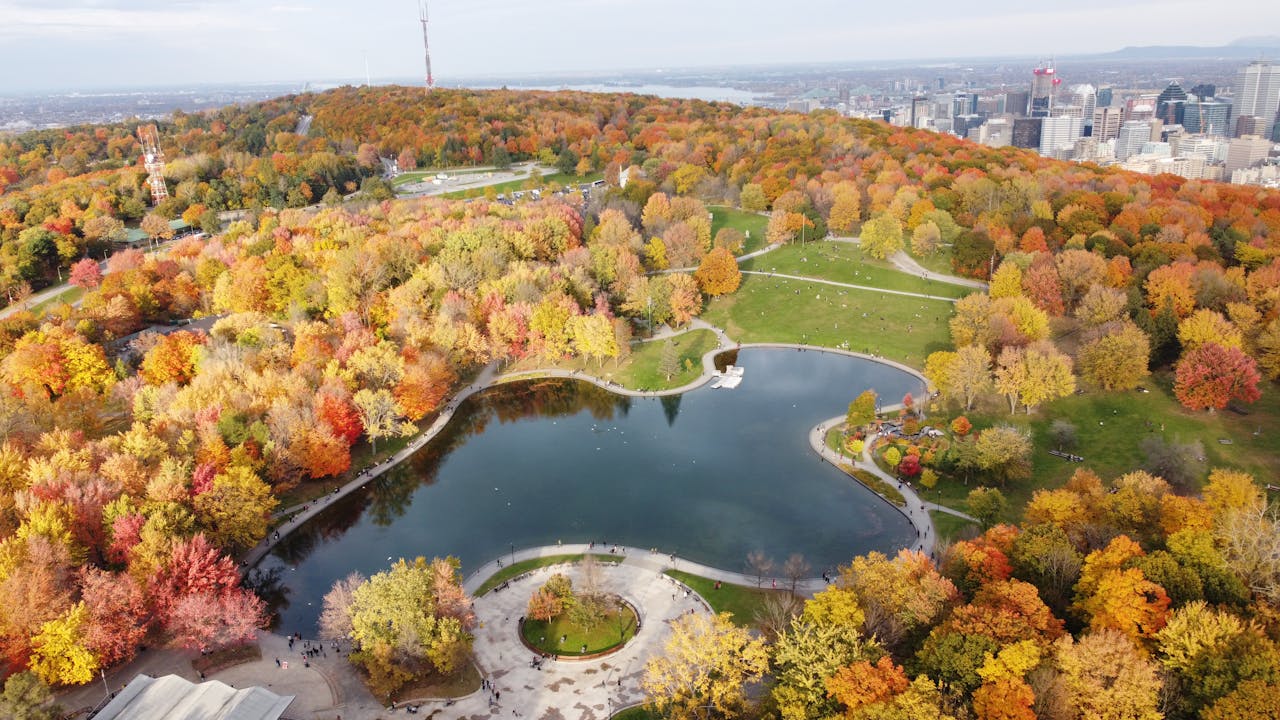
Montreal is Canada’s most cosmopolitan city and one of the most consistently underestimated by US travelers. French is the primary language; English is widely spoken. The Old Port (Vieux-Port), the Notre-Dame Basilica, the Mile End neighborhood, and the underground city — 33 kilometers of pedestrian network, the largest in the world — anchor the visit. Spring reactivates Montreal’s famous terrasse culture, and the Jazz Festival pre-season warms up the calendar.
#4 Ottawa, Ontario
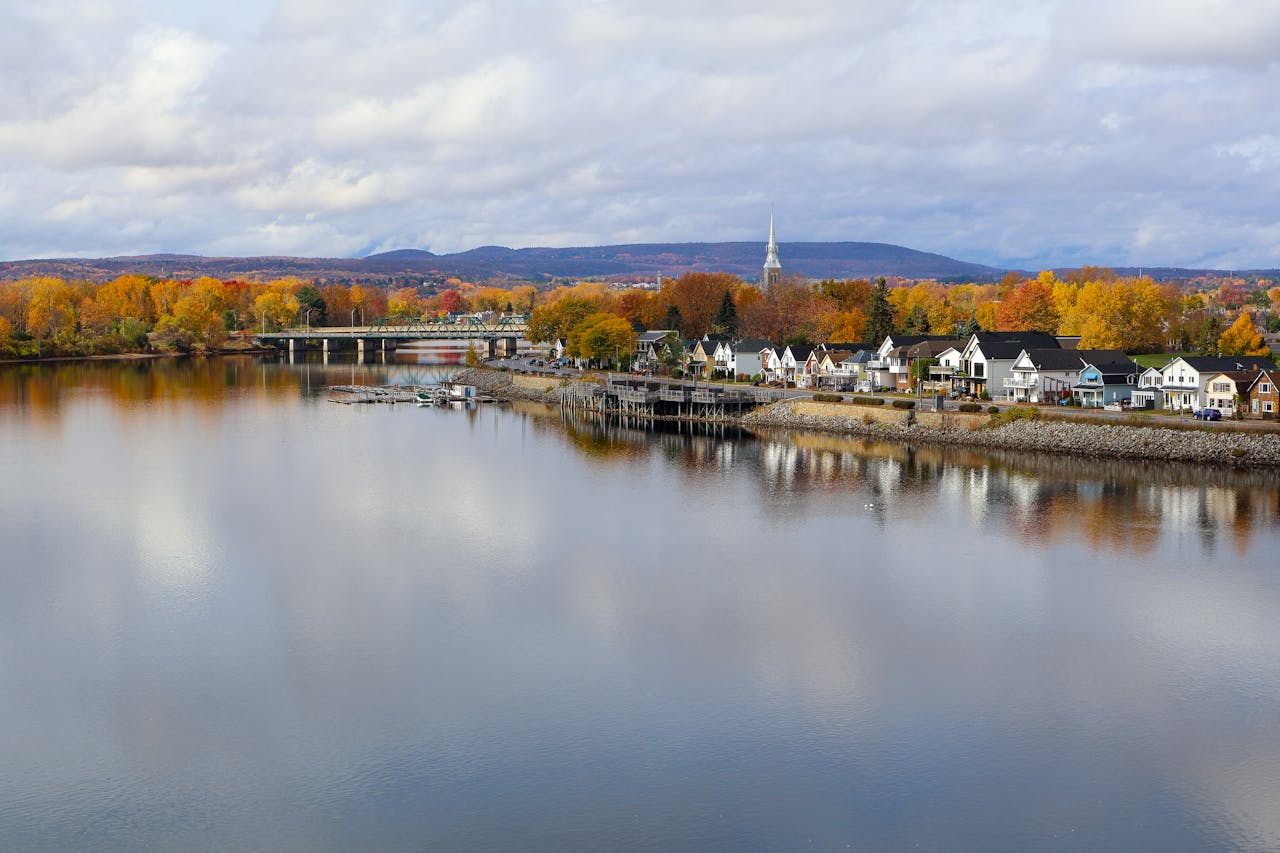
Canada’s capital is one of the most walkable and bilingual cities in the country, and spring gives it its best moment: Dow’s Lake erupts into the Canadian Tulip Festival in mid-May, with over one million tulips in bloom. Parliament Hill, the Rideau Canal UNESCO World Heritage Site, the National Gallery, and the ByWard Market fill out a compact, easy-to-navigate city break.
#5 Whistler, British Columbia Hidden Gem

Spring skiing at Whistler (March through May) is one of the best places to go in Canada that consistently surprises visitors expecting a ski resort out of season. Longer days, softer snow, and a relaxed après-ski atmosphere across the largest ski area in North America (8,171 acres across Whistler and Blackcomb mountains) make it exceptional. By late May, the village transitions into hiking season with wildflower meadows opening above the treeline.
Summer (June to August): Peak Season for Canada’s Best Places to Visit
Summer is when national parks fill fast, coastal towns run at full energy, and festivals stack every weekend. Book accommodation for July and August in the Rockies months in advance — this is not a last-minute window.
#6 Banff National Park, Alberta

Banff is Canada’s most visited national park, and the images that put it there — Lake Louise and Moraine Lake, their water that impossible shade of turquoise from glacial rock flour suspended in the melt — don’t disappoint in person. The Icefields Parkway connecting Banff to Jasper is one of the most scenic drives in the world, full stop. Over 4 million people visit annually. Fly into Calgary (90 minutes away). The Parks Canada day pass costs USD 17 (CAD 24) per adult, and Moraine Lake road access in summer is timed-entry only — book at reservation.parks.canada.ca.
#7 Jasper National Park, Alberta Hidden Gem

Jasper is Banff’s quieter, wilder neighbor — a Rocky Mountain experience with significantly fewer peak-season crowds. Maligne Lake and the Spirit Island boat tour, the Athabasca Glacier, and the Jasper SkyTram are the highlights. Jasper is also one of the world’s largest dark sky preserves, which makes summer nights worth staying up for. Drive every kilometer of the Icefields Parkway from Banff — it takes about 3.5 hours and earns every minute of the time.
#8 Quebec City, Quebec
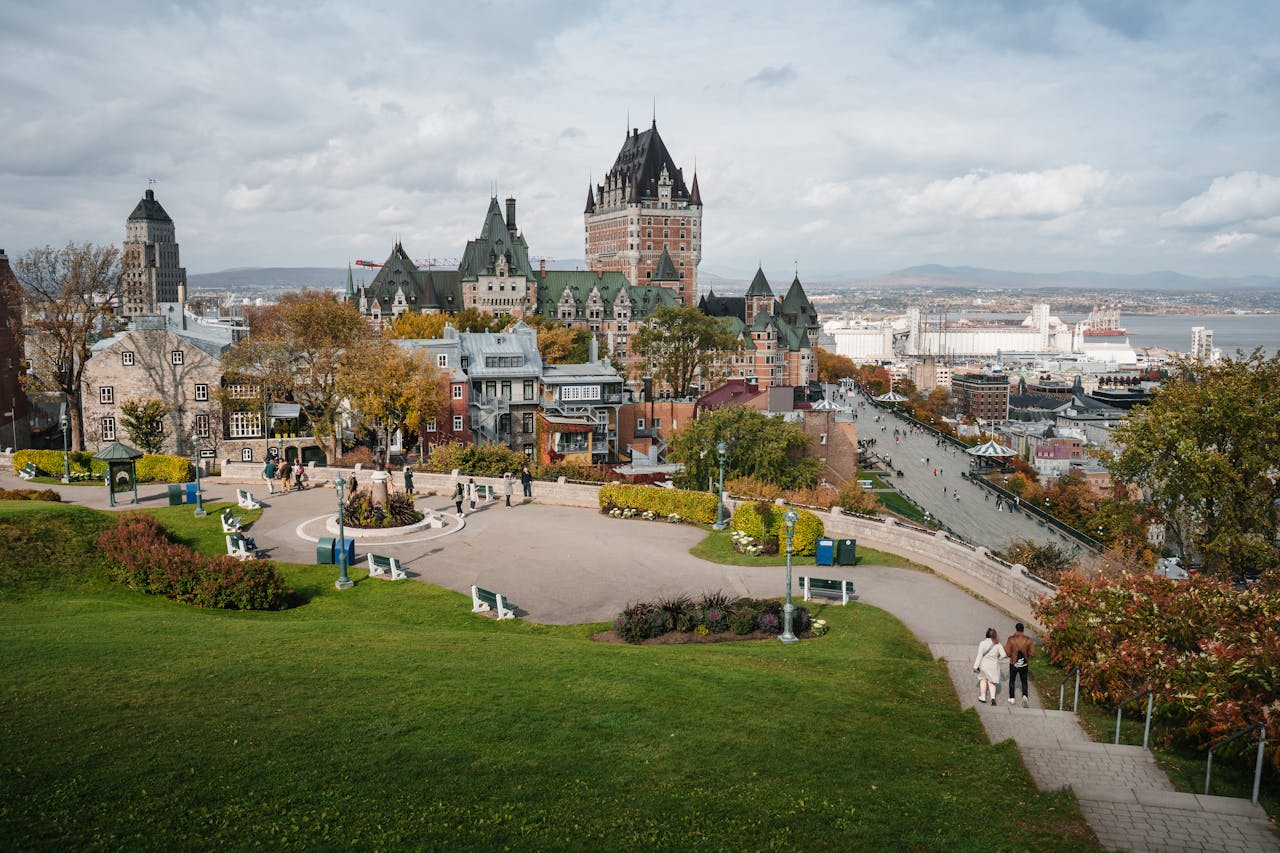
Quebec City is the only walled city north of Mexico in North America, and Old Quebec (Vieux-Québec) is a UNESCO World Heritage Site. The Château Frontenac, the Quartier Petit-Champlain, and the Plains of Abraham form the essential circuit. Summer brings the Festival d’été de Québec in July — 300 or more shows across 10 stages, one of the largest outdoor music festivals in the world.
#9 Prince Edward Island

PEI doesn’t try to be anything other than what it is: red sandstone cliffs, wide sandy beaches, and seafood so fresh it barely needs preparation. Lobster season peaks in summer. The Green Gables Heritage Place from Anne of Green Gables and the Cavendish Beach area inside PEI National Park are the anchor attractions. Canada’s smallest province moves at a pace that most visitors find disarming after the first day.
#10 Tofino, British Columbia Hidden Gem

Tofino sits on the wild west coast of Vancouver Island at the edge of the temperate rainforest where old-growth trees meet the Pacific. It’s Canada’s surf capital — Cox Bay and Chesterman Beach are the breaks — and the surrounding Pacific Rim National Park Reserve draws over a million visitors annually. In summer, whale watching tours leave daily from the harbour, and brown bears are regularly spotted on the beach. Not a typical destination. Entirely worth it.
Fall (September to November): The Most Underrated Season for Best Places in Canada to See
Foliage season across eastern Canada, wine harvest in British Columbia, smaller crowds at major attractions, and prices that drop below summer peaks — fall makes a strong case for being the best time to visit Canada for travelers who’ve already done the obvious summer circuit.
#11 Toronto, Ontario
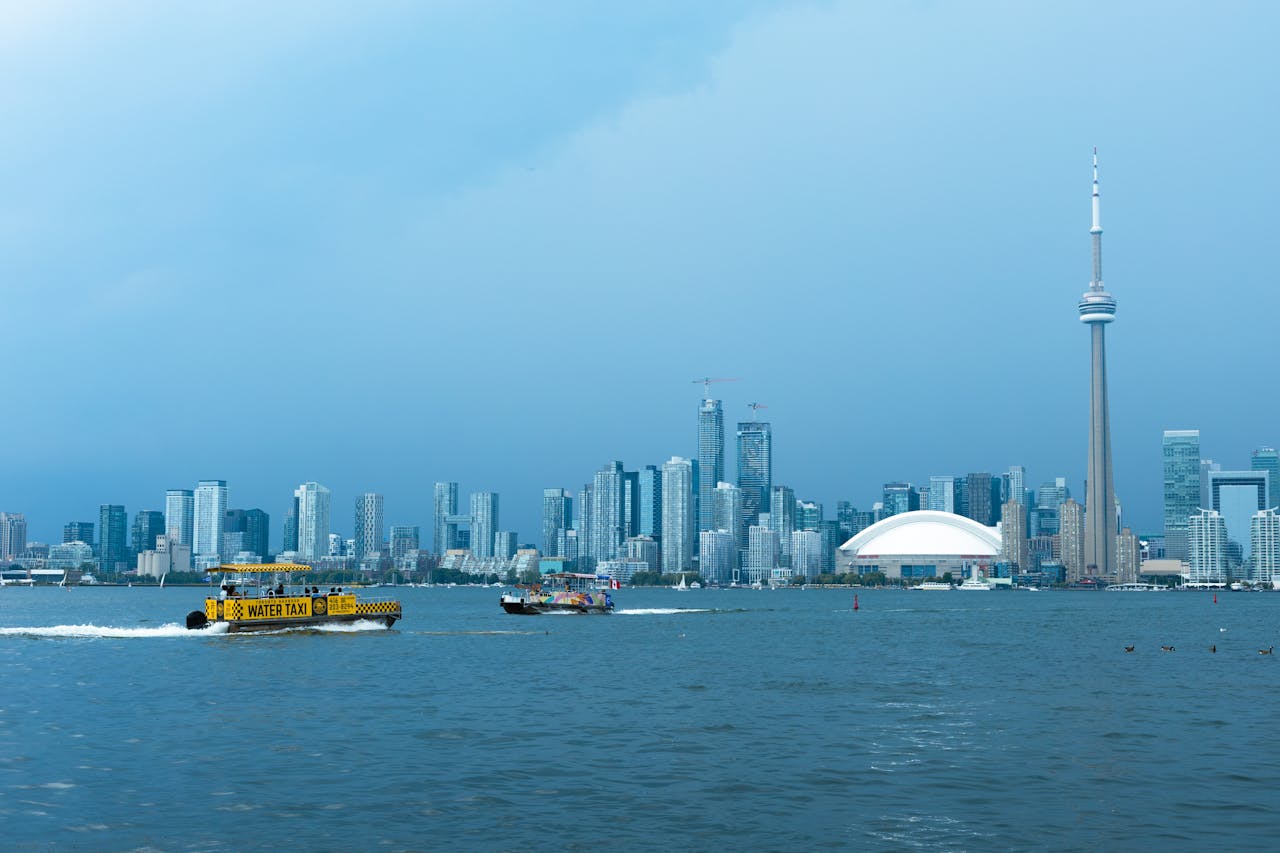
Toronto is the most logistically straightforward entry point for Americans coming from the eastern US — 90 minutes from Buffalo by car, 1 hour 20 minutes from Chicago by air. The CN Tower, the Distillery District, Kensington Market, the Royal Ontario Museum, and the Art Gallery of Ontario reward walkers. Fall brings TIFF (Toronto International Film Festival, September), which transforms the entertainment district for 10 days and brings an energy the city doesn’t have any other time of year.
#12 Nova Scotia and Cape Breton Hidden Gem

Nova Scotia is one of the best places to visit in Canada for fall foliage and one that almost never makes the shortlist for American travelers. The Cabot Trail — a 300-kilometer loop around Cape Breton Highlands National Park — is one of the most spectacular coastal drives in the world. Celtic music culture, lobster suppers at church halls, and the fishing villages of Lunenburg (UNESCO World Heritage Site) and Peggy’s Cove complete a road trip that Atlantic Canada doesn’t repeat anywhere else.
#13 Niagara Falls, Ontario

Niagara Falls draws approximately 13 million visitors annually. The Canadian side — the Horseshoe Falls specifically — is significantly larger and more impressive than the American side. Fall crowds are smaller, and the mist-filled October light creates photography conditions that summer can’t match. The Maid of the Mist boat tour takes visitors to the base of the falls; the Journey Behind the Falls experience goes through tunnels directly behind the curtain of water.
#14 Algonquin Provincial Park, Ontario Hidden Gem
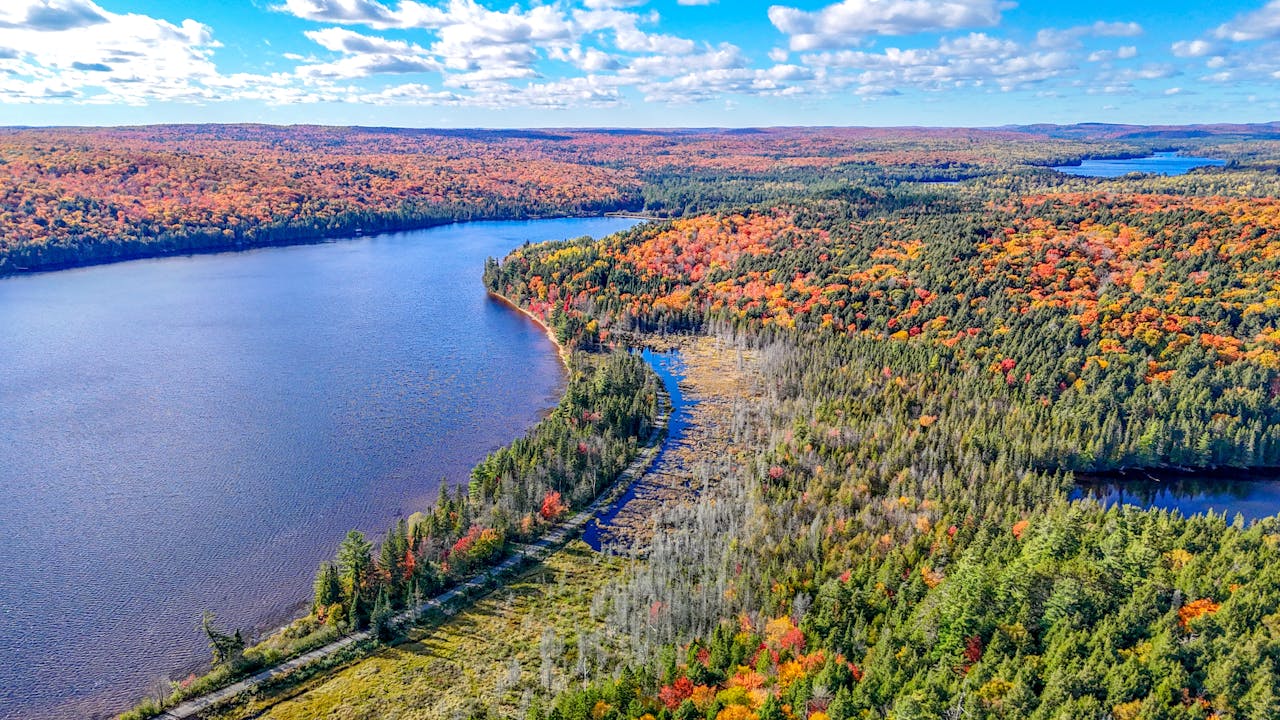
Algonquin covers 7,653 km² of boreal forest, lakes, and rivers 2.5 hours north of Toronto. Ontario’s oldest provincial park has over 2,000 kilometers of canoe routes. A fall canoe trip through an orange and red maple canopy is one of the defining Canadian experiences that has nothing to do with a mountain or a coastline. Moose are commonly spotted from Highway 60 in October. Reserve campsites at ontario.ca/parks well in advance.
#15 Kelowna and the Okanagan Valley, British Columbia

The Okanagan is British Columbia’s wine country, and harvest season (September to October) is when it’s most worth visiting — grapes being picked, wineries running special events, and over 200 producers within 30 minutes of Kelowna. The region averages 2,000 hours of sunshine annually. Fly in from Vancouver (1 hour), Calgary (1 hour 10 minutes), or Toronto (4 hours).
Winter (December to February): The Best Places to Go in Canada in the Cold
Canada in winter rewards travelers who don’t treat cold as a problem to avoid. Skiing, northern lights, ice festivals, and a version of the country that summer visitors simply don’t see make these five destinations some of the most memorable experiences the country offers.
#16 Quebec City Winter Carnival
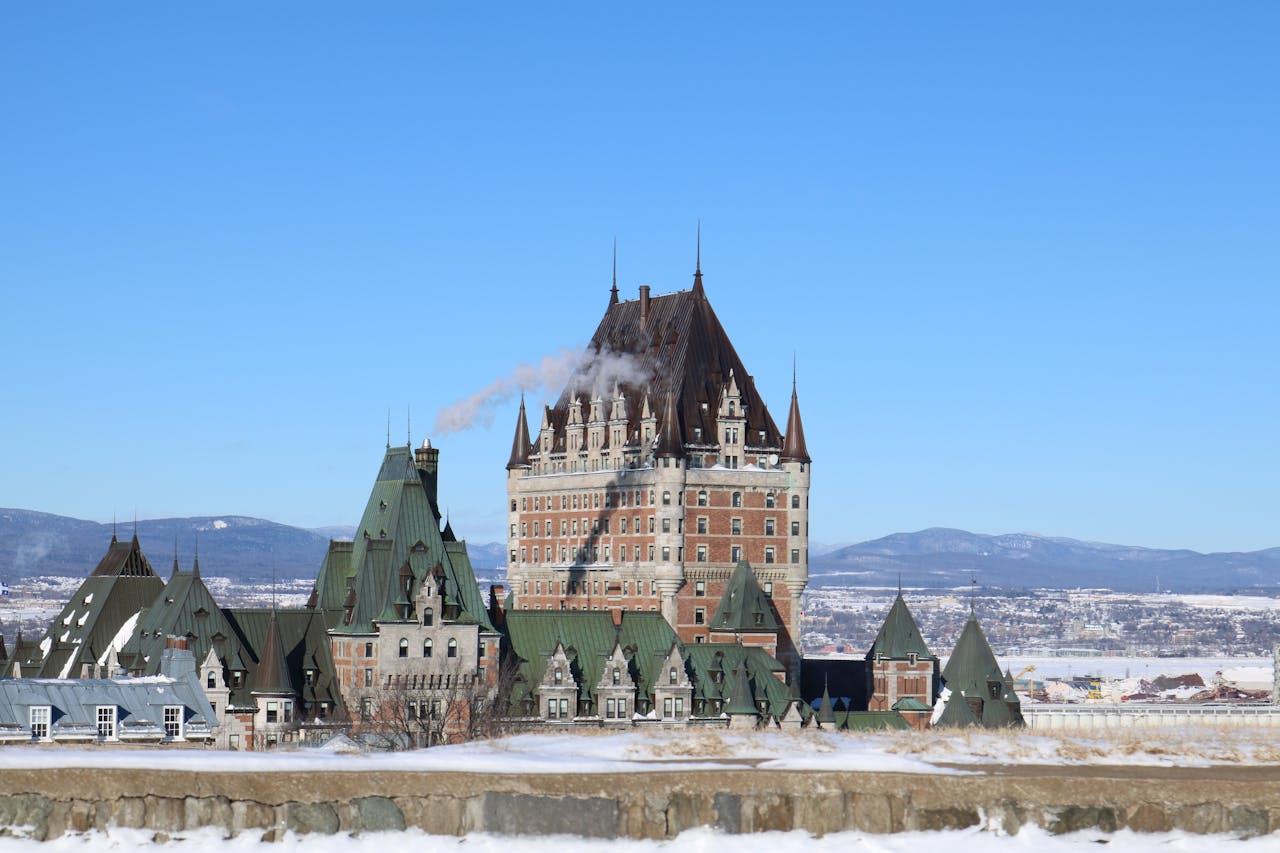
Quebec City transforms in January and February into something that genuinely has no equivalent on the continent. The Québec Winter Carnival (late January to mid-February) is the world’s largest winter carnival: an ice palace, snow sculptures, the Bonhomme mascot, night parades, and ice canoe racing across the frozen St. Lawrence River. The Château Frontenac, overlooking the river in winter, is one of the most striking images in Canada.
#17 Whistler Ski Season, British Columbia

Whistler Blackcomb is the largest ski resort in North America by skiable terrain — 8,171 acres across two mountains, connected at the summit by the Peak 2 Peak Gondola. The mountain village at the base is walkable and genuinely well-equipped for families, groups, and solo travelers. The 2010 Winter Olympics alpine events were held here. Book early for December through February weekends.
#18 Yukon and Whitehorse Hidden Gem

The Yukon is one of the best places on earth to see the northern lights, and Whitehorse is the practical base. Aurora season runs from October through March; January and February offer the most consistent viewing conditions. Dog sledding, snowshoeing, ice fishing, and the Takhini Hot Springs (where the steam becomes visually spectacular against winter temperatures) fill the days between aurora watches.
#19 Banff in Winter Hidden Gem

Banff in winter is a different place from the summer crowds — Lake Louise and Johnston Canyon freeze into extraordinary ice formations, elk wander into the townsite itself, and 7,700 acres of skiing across Lake Louise, Sunshine Village, and Mount Norquay open up. The Banff Upper Hot Springs run year-round. January is the coldest and quietest month, with temperatures averaging -15°C (5°F) — but the air is dry and sunny days are frequent. Banff Avenue has excellent restaurants even in deep winter.
#20 Churchill, Manitoba Hidden Gem
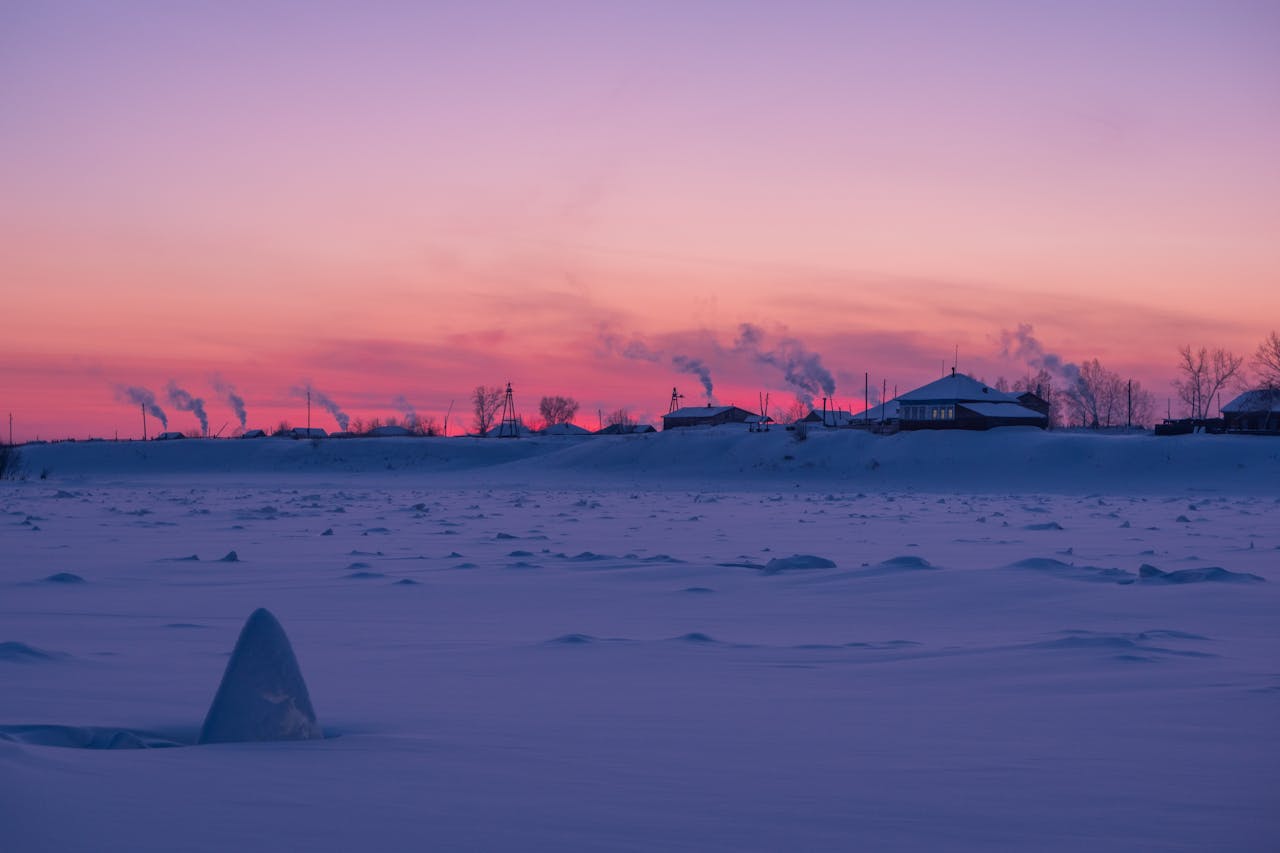
Churchill is one of the few places on earth where polar bear sightings in the wild are routine. Located on the shore of Hudson Bay, the town is the polar bear capital of the world — bears gather here in October and November, waiting for the bay to freeze. Beluga whale watching runs in July. Northern lights viewing runs November through March. Churchill has no road access; it’s fly or train only. Remote, genuinely wild, and unlike anything else on this list.
Practical Notes for Americans Traveling to Canada
Entry Requirements
US citizens need only a valid US passport. No visa, no eTA, no pre-registration. Stays of up to 6 months (180 days) are permitted.
Currency
Canada uses the Canadian Dollar (CAD). As of March 2026, 1 CAD = approximately USD 0.72 — USD 100 buys roughly CAD 139. Visa and Mastercard are accepted across all provinces. Always verify the current rate before departure.
Health Insurance
US health insurance and Medicare generally do not cover treatment in Canada. Travel insurance with medical coverage is strongly recommended before departure.
Driving
Border crossings by car are straightforward with a valid US passport. Declare goods over USD 800 on return. Speed limits are in kilometers per hour.
Flight times from major US cities: New York to Toronto — 1 hr 25 min. New York to Vancouver — 5 hr 30 min. Los Angeles to Vancouver — 2 hr 45 min. Chicago to Toronto — 1 hr 20 min.
Which of the Best Places to Visit in Canada Is Right for You?
For first-timers from the US, the most common and most rewarding itinerary runs through Banff and Jasper for scenery, Vancouver for city plus nature, and either Quebec City or Toronto for history and culture. These four destinations cover the full range of what makes Canada worth crossing the border for, and all four are accessible by direct flight from most US cities.
For returning visitors, the hidden gems on this list — Tofino, Algonquin, Churchill, the Okanagan, Nova Scotia — are where Canada reveals itself as genuinely different from anywhere else in North America. They take more planning, but they’re what people talk about when they come back.
Whatever the season, the practical reality for US travelers is that Canada is closer, cheaper (in 2026 especially), and more varied than most Americans give it credit for. A passport, a rough sense of when to go, and the right destination by season are all it takes.
Entry requirements, exchange rates, and park fees are based on publicly available data as of March 2026 and are subject to change. Always verify current requirements at canada.ca before travel. Currency conversions are indicative only.