Bali Travel Guide 2026: Everything You Need to Know

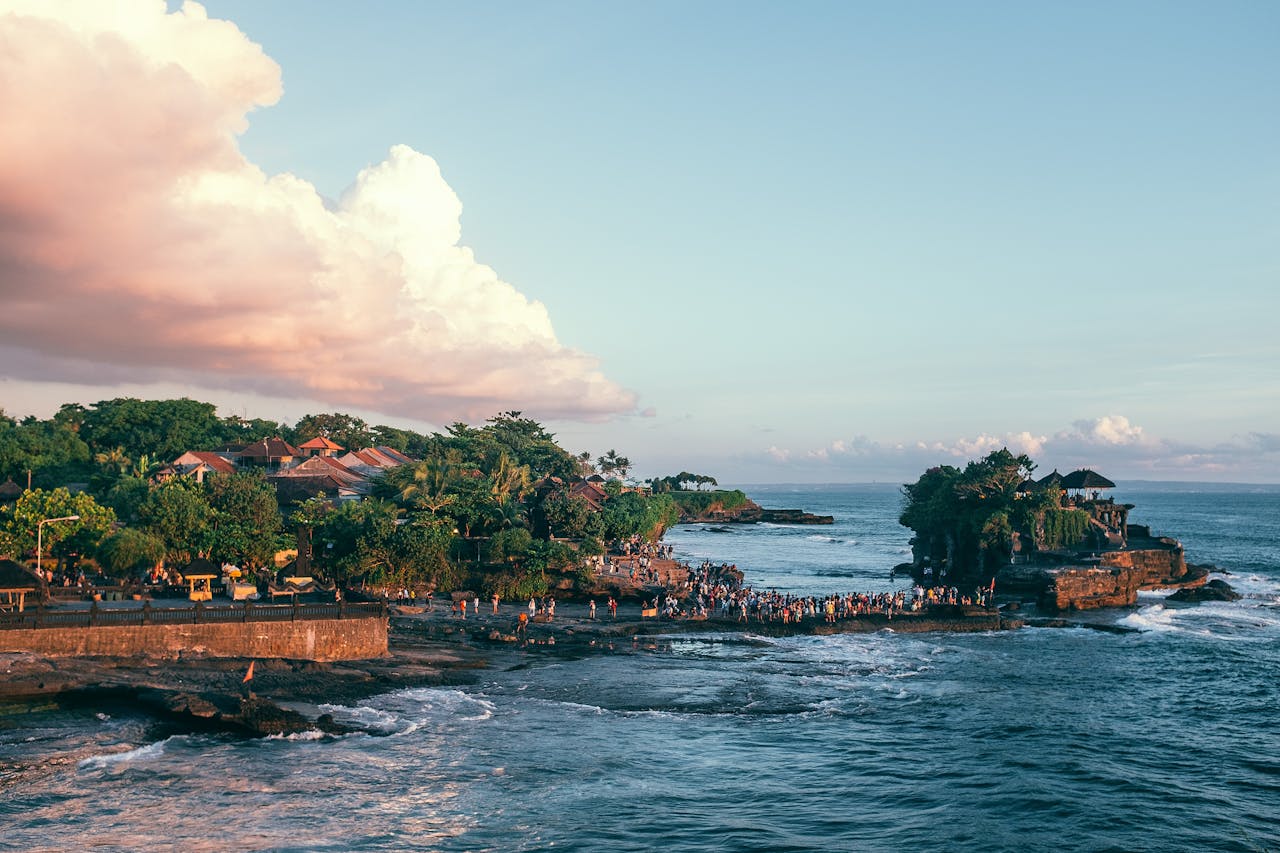
Bali Travel Guide 2026: Planning a trip to Bali? This complete guide will help you discover the best places, travel tips, budget options, and where to stay.
Why is everyone still talking about Bali?
Okay, so you’ve seen the Instagram photos a thousand times. The rice terraces, the clifftop temples, the yoga at sunrise. Maybe you’ve rolled your eyes a little. But here’s the thing — Bali genuinely earns its reputation once you’re actually there.
It’s not just a beach destination, though the beaches are great. It’s one of the few places on Earth where spirituality isn’t a tourist gimmick — it’s just Tuesday. Every morning, women place beautiful little flower offerings called canang sari on doorsteps, temple gates, and street corners. Incense drifts through rice fields. Ceremonies spill into the roads without warning. It catches you off guard in the best possible way.
And the range is wild. You can surf world-class waves in Uluwatu in the morning, wander through jungle waterfalls by afternoon, and eat incredible food for three dollars by evening. In 2026, Bali’s also gotten its environmental act together — cracking down on single-use plastics, introducing visitor caps at popular spots, and filling up with eco-resorts running on solar and rainwater. Same Bali, just a slightly more responsible version.
Quick facts worth knowing: the timezone is WITA (UTC+8), the currency is Indonesian Rupiah at roughly 15,500 IDR per US dollar, Bahasa Indonesia is the official language but English works fine in tourist areas, and the religion is Balinese Hinduism — very much alive and not just decorative.
Best Time to Visit Bali
Bali has two seasons and honestly, both have their merits.
The dry season runs from April to October and is the classic choice. Clear skies, lower humidity, beautiful weather. July and August are peak season though, so brace yourself — prices spike, popular spots get crowded, and you’ll need to book everything in advance. The real sweet spot is May or September. The weather’s just as good, crowds are manageable, and accommodation prices can drop 20 to 40 percent. September might be Bali’s best-kept secret month.
The wet season runs from November to March and it’s not as bad as it sounds. It rains, sure, but usually in short afternoon bursts. Mornings are often stunning. The payoffs are real: cheapest prices of the year, far fewer tourists, and the rice paddies and waterfalls are at their most spectacular. The downside is unpredictability — some years January and February bring actual flooding in low-lying areas. Book flexible accommodation and keep a backup plan.
Note on Nyepi: The Balinese New Year is observed with a full 24 hours of complete silence. The airport closes, streets are empty, and tourists must stay in their hotels. In 2026 it falls on March 20th. Either plan around it, or lean in and experience one of the most extraordinary cultural days you’ll ever witness.
For surfers, the southwest coasts — Uluwatu, Padang Padang, Bingin — are best from June to September. Beginners should head to Kuta Beach, which works year-round and has some of the most forgiving waves in Asia.
Top Destinations in Bali
Bali is small enough to cover in a week but rich enough to reward months of exploration. Here’s where to focus your time.
- Ubud: Where Bali’s soul lives. Rice terraces, jungle ravines, sacred temples, artists, healers, and yoga studios. The Tegallalang Rice Terraces are worth the clichés, and wandering the market at dawn beats sleeping in every time.
- Seminyak and Kuta: Your beach-and-nightlife options. Seminyak is the fashionable one with beach clubs, sunset cocktails, and boutique shopping. Kuta is cheaper, louder, and perfect if you’re travelling on a budget or want to learn to surf.
- Uluwatu: Sits on limestone cliffs 70 metres above the ocean. The temple at the cliff edge is stunning, and the nightly Kecak fire dance performance with the ocean behind it is an experience you’ll talk about for years.
- Nusa Dua: Where you go when you want pristine beaches, calm swimming water, and five-star luxury resorts. Great for families or honeymooners who want to fully switch off.
- Canggu: Transformed from a quiet surf village into Bali’s go-to base for remote workers, packed with excellent cafés, co-working spaces, and surf-friendly beaches.
- Nusa Penida: A 45-minute fast boat from Sanur. Famous for Kelingking Beach, Angel’s Billabong, and world-class diving or snorkelling with manta rays.
- Munduk: Up in the highlands north of Ubud, perfect for people who want the Bali that existed before social media found it. Cool forested hills, coffee plantations, and waterfalls.
Getting There & Around
There’s one airport: Ngurah Rai International (DPS), about 13km south of Kuta. In 2026, Garuda Indonesia added new direct routes from Amsterdam and Paris, so Europeans have better options than before. Budget carriers like AirAsia, Scoot, and Lion Air keep regional fares competitive.
Flight times roughly: Sydney or Melbourne is about 6 to 7 hours direct, Perth is around 4.5 hours, Singapore is 2.5 hours, Tokyo is 7 hours, London via Singapore is 16 to 18 hours, and New York is 22 to 25 hours total.
From the airport, your best options are a metered Blue Bird taxi, a pre-arranged private transfer through your hotel, or using Grab and Gojek apps once you exit arrivals. Ignore the drivers who approach you inside the terminal to avoid inflated rates.
Budget Breakdown
Bali is one of those rare places where budget travel is genuinely good, and mid-range offers extraordinary value.
| Style | Est. Daily Budget | What it Includes |
|---|---|---|
| Budget | $30 – $50 | Homestays ($15-$30/night), local warung meals ($1-$2), scooter rental ($5-$8/day). |
| Mid-Range | $80 – $150 | Private pool villas ($60-$120/night), excellent restaurant meals ($8-$20), full-day private driver ($40-$55). |
| Luxury | $300+ | World-class luxury resorts, villas with personal chefs, high-end spa treatments, and fine-dining menus. |
Culture: The Stuff You Actually Need to Know
The Balinese are among the most welcoming people you’ll meet anywhere, and their culture is deeply sacred. A little respect goes a long way:
- Wear a sarong at temples: You need a sarong and sash to enter any Hindu temple in Bali. Most temples provide them at the entrance for a small donation. Keep shoulders and legs covered.
- Don’t touch or step over the offerings: Those small flower baskets (canang sari) on the ground are daily offerings to the gods. Step around them carefully.
- Use your right hand: Always use your right hand for giving and receiving money, food, or gifts. The left hand is associated with impurity.
- Respect photography rules: Ask before photographing people, especially during ceremonies. Drones near temples require explicit permission.
- Polite bargaining: Normal and expected at traditional markets like the Ubud Art Market. Polite negotiation is fine, but never bargain aggressively, and always honour an agreed price.
Practical Tips, Health & Safety
Never drink tap water: Stick to bottled water or certified refill stations. Be cautious with ice in drinks at very local rustic stalls, though tourist-facing establishments use purified ice.
Scooter safety: Only rent a scooter if you genuinely know how to ride one. Bali’s traffic is chaotic and accidents are the number one cause of tourist injuries. If inexperienced, hire a private driver instead.
Travel insurance is mandatory: Medical evacuation from Bali can cost tens of thousands of dollars. Ensure your policy explicitly covers motorbike riding if you plan to rent one.
Pack for Bali belly: Traveller’s diarrhoea is common. Bring oral rehydration salts, probiotics, and basic anti-diarrhoeals. For severe symptoms, BIMC Hospital in Kuta and Ubud has experienced international staff.
Strict Drug Laws: Indonesia’s drug laws are among the harshest in the world. Possession of even small amounts of illegal substances can mean lengthy prison sentences, life imprisonment, or the death penalty. Simply don’t do it.
Final Thoughts
Bali in 2026 is not perfect. The traffic in the south can be frustrating, some areas feel overcommercialized, and the environmental pressure from mass tourism is real. However, this Bali Travel Guide 2026 shows that if you travel with curiosity, respect the culture, eat at local warungs, and truly experience the island, Bali will reward you with unforgettable memories.
Whether you spend a week in Ubud reconnecting with yourself, two weeks exploring islands like Nusa Penida, or even months working remotely from a rice-field café in Canggu, there is something for every type of traveler.





3 Comments