Best Time to Visit Tahiti & French Polynesia: A Real Guide for Real Travelers
The best time to visit Tahiti is from May to October (dry season) for calm lagoons and world-class diving, or November to April for cheaper prices and better surfing.
But that quick answer only tells part of the story. The best time to visit Tahiti and French Polynesia isn’t a single answer on a calendar. It depends on whether you want to surf world-class reef breaks or snorkel in glassy turquoise water. Whether you’d rather avoid crowds or soak up a Polynesian festival with thousands of locals. Whether you’re on a tight budget or happy to splurge on an overwater bungalow in peak season. This guide sorts all of that out honestly, without the usual tourist-brochure gloss.
Quick takeaways
- French Polynesia has two seasons: dry (May–October) and wet (November–April) — both are worth visiting
- The dry season is the most popular and most expensive, especially July–August
- The wet season offers cheaper flights, fewer crowds, and some of the best surfing and diving on earth
- Each archipelago has its own ideal window — Bora Bora and the Society Islands peak May–October; the Marquesas are best September–December
- Humpback whale watching runs August–November; Heiva i Tahiti festival is in July
The Best Time to Visit Tahiti: Understanding the Weather and Climate First
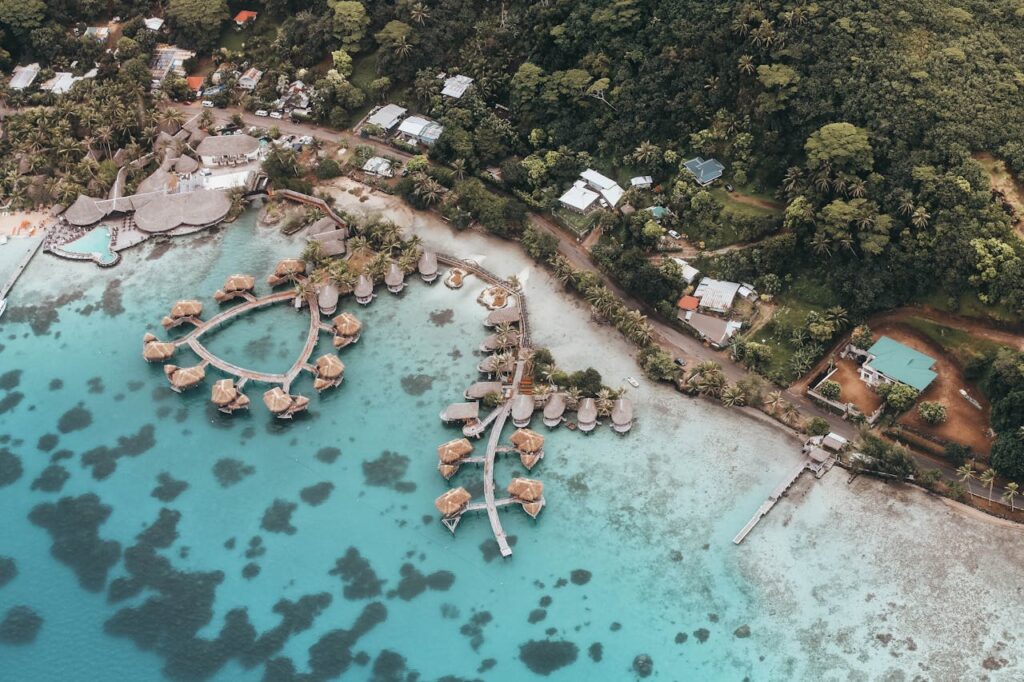
French Polynesia sits in the South Pacific, spanning an area roughly the size of Europe — which means five distinct archipelagos, each with slightly different weather patterns. That said, the big picture is consistent: temperatures stay comfortable year-round, ranging from around 22°C (72°F) at night to 32°C (90°F) during the warmest days. The water rarely dips below 27°C. You’re not going to freeze here, ever.
Tahiti Seasons: Dry vs Wet
What actually changes between seasons is rainfall and humidity. The trade winds shift, the clouds come or go, and suddenly you’re either hiking through emerald jungle or sitting on a bone-dry beach watching manta rays cruise the shallows. Here’s how the two seasons break down:
May to October — The Classic Choice
Lower humidity, almost no rain, and temperatures hovering between 22°C and 30°C — this is the best weather in Tahiti by most measures. The trade winds keep things pleasant even in full sun. Water visibility is exceptional for snorkeling and diving. This is peak season — resorts are busiest (and priciest) from June through September, particularly around the European and North American summer holidays.
November to April — The Underrated Choice
Warmer and more humid, with temperatures touching 32°C and afternoon showers that are usually short and followed by clear skies. The islands turn intensely green. Manta ray sightings increase in the warmer water. Because this is Tahiti’s summer (the austral summer, from November to April), it is also the low season: crowds thin out, hotel rates drop, and the surf season at Teahupo’o peaks. December, January, and February see the most rain — but even then, a typical shower lasts an hour, not a day.
| Jan–Apr Max 31–32°C / Min 24–25°C |
May–Aug Max 29–31°C / Min 22–23°C |
Sep–Dec Max 30–31°C / Min 22–24°C |
Water temp 27–29°C year-round |
Best Time to Travel to Tahiti Based on What You Actually Want to Do
Most travel guides stop at “May–October is best.” That’s fine as far as it goes, but it ignores a lot. Here’s a more honest breakdown by activity.
For Beach Holidays and Water Sports (Snorkeling, Lagoon Excursions, Paddleboarding)
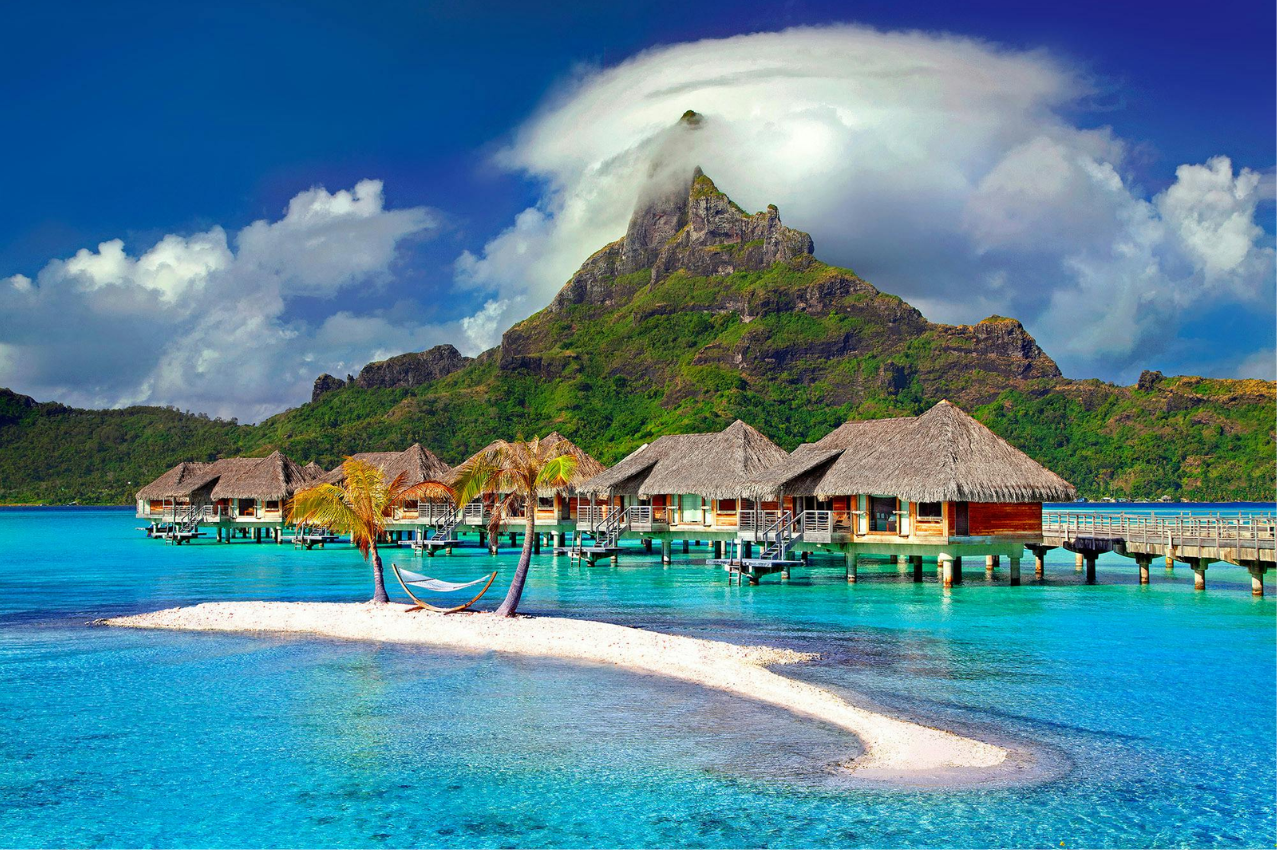
Go between May and October. The lagoons of Bora Bora and Moorea are at their calmest and clearest. Stingrays drift along the sandy shallows in Bora Bora’s famous lagoon without so much as a ripple disturbing them. Guides run paddleboard tours, glass-bottom kayak excursions, and shark-feeding snorkel trips all season long. Matira Beach in Bora Bora and Temae Beach in Moorea — arguably the two best beaches in the South Pacific — look absurdly beautiful under dry-season skies.
For Surfing
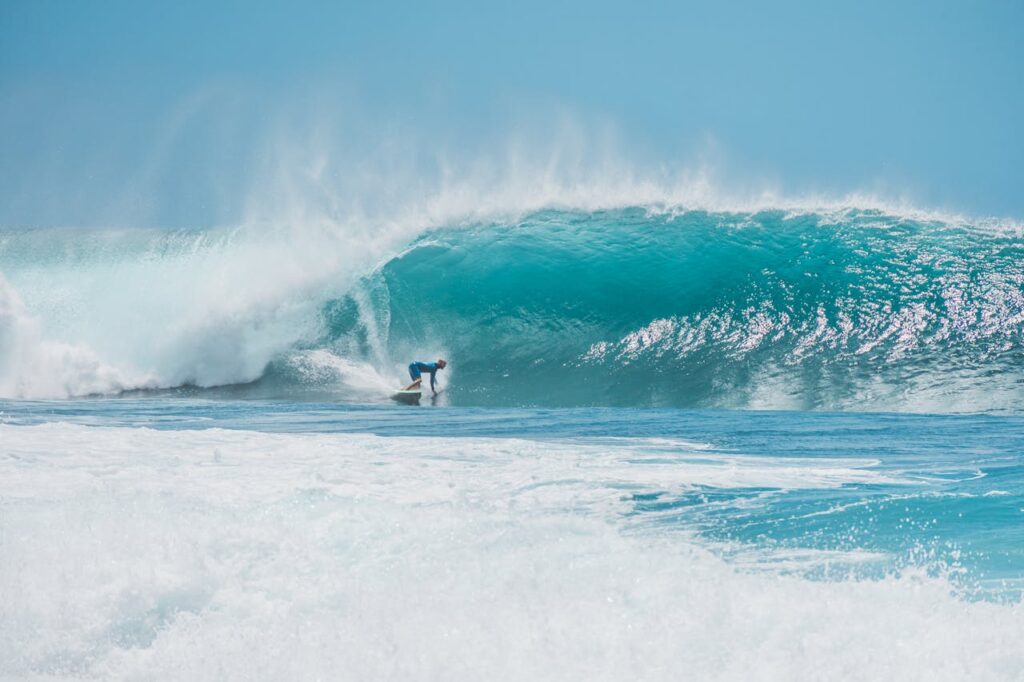
Come between November and April. Teahupo’o, the village on Tahiti’s southwest coast, produces some of the most powerful waves in the world — and this is peak season for them. If you’ve watched footage of surfers dropping into thick, hollow barrels over a shallow reef, that was probably filmed here between December and March. You don’t need to be a professional to appreciate it: watching from a boat is an experience in itself.
Best Time to Dive in Tahiti: Scuba Diving and Snorkeling
Both seasons work well, but the specific destination matters. In the Tuamotu atolls — Rangiroa and Fakarava in particular — April through November offers the best visibility and the most dramatic passes. Fakarava’s South Pass hosts a legendary grouper spawning event in June where hundreds of sharks gather to feed. For warmer water with manta ray encounters, the wet season (especially December–March) around the Society Islands delivers consistently.
Best Time to Visit French Polynesia for Whales
The window is August through November. Humpback whales migrate from Antarctica to the warm waters of French Polynesia to calve and nurse their young — and the Australes Islands, particularly Rurutu, offer some of the most intimate encounters anywhere on the planet. Guided boat tours operate throughout this period, and it’s not uncommon to be in the water with a mother and calf at very close range.
Best Time to Sail or Cruise Tahiti
The dry season, May to October, is the most reliable window for sailing and cruising. Trade winds are dependable, the weather is settled, and the short hops between Moorea, Raiatea, Taha’a, and Bora Bora make island-hopping by boat easy. From November to April you can still sail, but expect more squalls and a less predictable forecast, and watch the Météo-France bulletins during cyclone season. If you want whales on a cruise or charter itinerary, aim for August to October.
For Hiking and Jungle Exploration
May through October is more comfortable for long hikes — cooler air, manageable humidity, and dry trails. The Aorai Mountain trek on Tahiti and the Three Waterfalls Hike offer sweeping views that are hard to match anywhere in Polynesia. That said, if waterfalls are your thing, the wet season (November–April) is when they’re at their fullest and most dramatic.
For Polynesian Culture and Festivals
July is unmissable. Heiva i Tahiti runs throughout the month and is one of the most impressive cultural festivals in the Pacific — traditional dance competitions, outrigger canoe races, archery, and music that has been practiced and refined for generations. The Hura Tapairu dance contest (held separately from Heiva) is another highlight for anyone interested in Tahitian performing arts. Book accommodation months ahead if you plan to be here in July.
Budget tip: The cheapest time to visit is generally December through March, excluding Christmas and New Year. Accommodation rates drop noticeably, and flight deals appear regularly. If rain doesn’t bother you — and on most days it really shouldn’t — this is excellent value.
Best Time to Visit Tahiti’s Different Archipelagos
French Polynesia’s five archipelagos are spread across an enormous stretch of ocean. They share a climate family, but each has its own personality and its own ideal travel window.
| May – October | April – November |
|---|---|
| Society Islands (Tahiti, Moorea, Bora Bora) The dry season is peak time here. Temperatures around 26–28°C, low humidity, calm lagoons. High season for honeymoons. Book well in advance for July and August. |
Tuamotu Atolls (Rangiroa, Fakarava) Best diving visibility and optimal current conditions in the legendary passes. Don’t miss Fakarava’s grouper spawning in June — one of the great wildlife spectacles in the Pacific. |
| September – December | July – October |
|---|---|
| Marquesas Islands (Nuku Hiva, Hiva Oa) More remote and dramatic than the Society Islands. Drier weather and lush post-rainy-season landscapes make this the best window for hiking ancient archaeological sites and rugged coastlines. |
Austral Islands (Rurutu, Tubuai) The best-known whale-watching destination in French Polynesia. Humpback whales visit the waters around Rurutu from July to October, and the quiet, rarely visited islands make encounters feel unhurried. The Australs are more exposed to cyclone tracks, so keep them for the dry season. |
Tahiti and Bora Bora: When to Combine Them
Most trips pair Tahiti, where international flights land, with Moorea and Bora Bora, both a short hop away. For Tahiti and Bora Bora together, the dry season (May to October) gives you calm, clear lagoons for the overwater bungalow experience. If you’d rather save money, November to early December keeps most of the good weather at lower prices.
High Season vs. Value Season: What You’re Actually Trading
Here’s the real tension when planning a trip to Tahiti. Peak season (roughly June–September) gives you the weather that looks like the brochure photos: vivid blue skies, calm water, perfectly warm but not sweaty. The downside? Resorts know this, and prices at overwater bungalow properties in Bora Bora and Moorea can be eye-watering. July and August in particular attract European and North American visitors on summer holiday, which means competition for the best rooms and boat tour spots.
The wet season is a different kind of trip. Afternoons sometimes bring a tropical shower that clears up within an hour, leaving everything smelling clean and the flowers looking almost cartoonishly bright. The big trade: crowds are thinner, prices are lower, and the islands feel a little more like themselves — less performance, more place. The surfing and diving are genuinely world-class in these months. If you’re travelling on a real budget, November through early December is about as affordable as French Polynesia gets.
The shoulder months — May and October — are worth considering seriously. You get the beginning of the dry season or the tail end of it, with fewer tourists than peak summer and slightly lower prices. Weather is reliably good. It’s a sensible compromise that doesn’t require much sacrifice on either front.
Worst Time to Visit French Polynesia
There is no single worst time, but some windows suit some travelers less. For most visitors it is the wettest stretch of the wet season, roughly December to February, when showers are more frequent and humidity peaks. The tropical cyclone season officially runs from November to April. French Polynesia is hit less often than many other tropical regions, but the risk is real, so check Météo-France bulletins before you travel and consider flexible bookings and travel insurance. If budget and crowds matter more than weather, the worst time is July and August, along with Christmas and New Year, when prices peak and the best rooms and tours sell out.
Month-by-Month Quick Reference for the Best Time to Visit Tahiti
Rather than wade through every scenario again, here’s a fast read, month by month.
Tahiti in January
January is hot, humid, and the heart of the wet season. Showers are frequent but usually short, the waterfalls run at full flow, and the surf at Teahupo’o is at its best. Prices tend to be lower once the New Year holidays are over.
Tahiti in February
February continues the wet season, with some of the year’s heaviest rain, lush landscapes, and warm water that brings more manta rays. It suits surfers and budget travelers who don’t mind a shower or two. Cyclone season is still under way, so check the forecast before you go.
Tahiti in March
Rain starts to ease in March while the water stays warm and prices stay low. The surf season is still going, and diving in the Tuamotu begins to improve. It’s a quiet, good-value month for the Society Islands.
Tahiti in April
April sits between the seasons: the wet season is winding down and the dry season is close. Visibility in the Tuamotu is good for diving, and crowds are still thin. It’s a smart pick if you want fewer tourists without much rain.
Tahiti in May
May marks the start of the dry season and is one of the best-value months. The weather settles, humidity drops, and the summer crowds haven’t arrived yet. It’s one of the two shoulder months worth serious consideration.
Tahiti in June
June brings dry, clear weather ahead of the peak-season crowds. It’s also when Fakarava’s South Pass hosts its grouper spawning, a major draw for divers. You get excellent conditions at slightly lower prices than July.
Tahiti in July
July is Heiva i Tahiti month, with dance competitions, outrigger canoe races, and traditional sports across the islands. High season is in full swing, so book flights and accommodation well ahead. Whale season also begins around Rurutu in the Austral Islands.
Tahiti in August
August is peak season: the best weather of the year and the busiest, most expensive time to visit. Humpback whales are arriving, and boat tours fill quickly. Reserve overwater bungalows and excursions months in advance.
Tahiti in September
September is still peak season, with excellent weather and humpback whales around. It also opens the best window for the Marquesas Islands, which runs through December. Book early, as it remains one of the busiest months.
Tahiti in October
October is a shoulder month: crowds are thinning, the weather is still excellent, and whale watching continues. It’s one of the safest bets for good weather without peak-season crowds.
Tahiti in November
November is the start of the wet season, but the rain returns only gradually and most days are still pleasant. Hotel prices fall and the surf season gets going. Cyclone season officially begins this month.
Tahiti in December
Is December a good time to visit Tahiti? Yes, if you accept some rain. Showers are more frequent, the islands are green, and accommodation is cheaper than in the dry season, except around Christmas and New Year, when prices rise. Cyclone season is under way, so check Météo-France bulletins before you travel.
The Bottom Line: When Should You Actually Go?
If you want the safest bet — the weather that matches every Instagram photo of Bora Bora you’ve ever seen — book for May, June, or early October. You’ll get the dry season experience without the full July–August premium or the logistical headache of festival crowds.
If you’re flexible on weather and would rather spend less and see fewer tourists, November through early December is a genuinely good call. The rain rarely ruins a day; it just changes the texture of it. The islands are greener, the diving is still excellent, and you’ll have the reef all to yourself most mornings.
And if you have a specific purpose — whale watching, surfing Teahupo’o, attending Heiva i Tahiti, diving Fakarava’s passes — plan around that. French Polynesia rewards people who visit with intention. Whatever time of year you land in Papeete, you’re going to find something worth the trip.
Best Time to Visit Tahiti: Frequently Asked Questions
When is the best time to visit Tahiti?
May to October, the dry season, is the best time for calm lagoons, sunny weather, and diving. November to April trades some rain for lower prices and the best surfing. May, June, and early October balance weather and crowds well.
What is the best month to visit French Polynesia?
For the best mix of weather and value, choose May, June, or October. Pick July for the Heiva i Tahiti festival, and August to October for humpback whales.
When is high season in Tahiti?
High season runs roughly from June to September and peaks in July and August, when European and North American holidays push prices up. Christmas and New Year are also busy and expensive.
What is the cheapest time to visit Tahiti?
The wet season, roughly November to March, outside the Christmas and New Year holidays. Accommodation rates drop and flight deals appear regularly.
When is low season in Tahiti?
Low season is the austral summer and wet season, from November to April. Expect fewer crowds, lower prices, warm weather, and short afternoon showers.
Is the wet season a bad time to visit Tahiti?
Not for most travelers. Showers are usually short, the islands are at their greenest, and surfing and diving are excellent. The main caveat is cyclone season (November to April), so check Météo-France bulletins and consider flexible bookings.
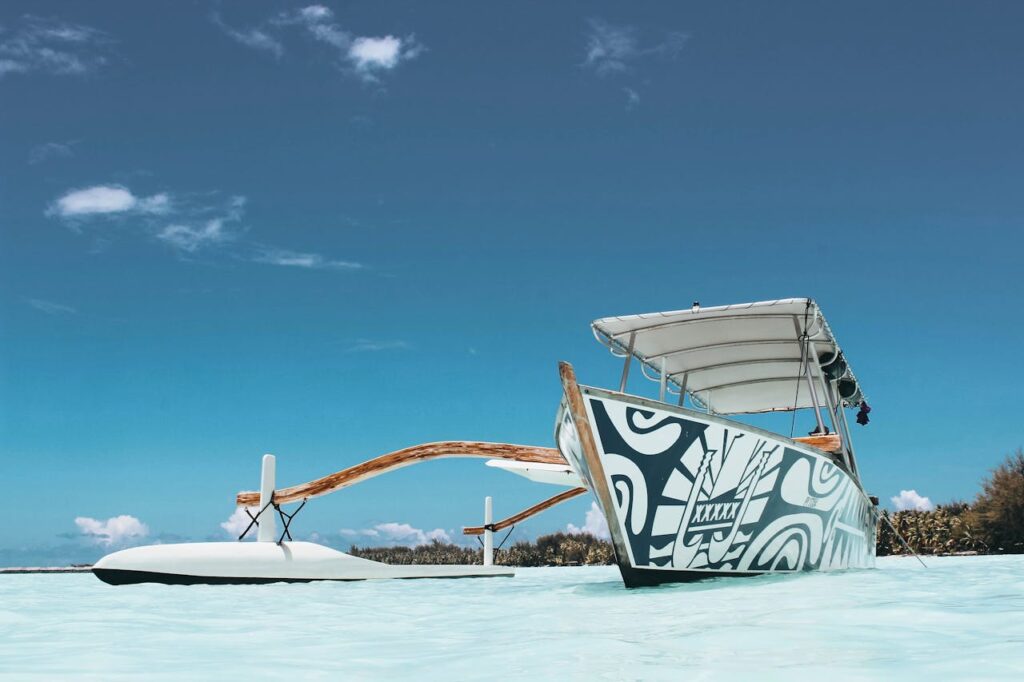
Ready to Plan Your Trip to French Polynesia?
Once you’ve settled on your travel window, the next step is figuring out which islands to combine, how long to spend in each, and where to stay. Drop your questions in the comments below — or start building your itinerary with one of the certified Tahiti Specialists through the official tourism board.
editor's pick
latest video

news via inbox
Nulla turp dis cursus. Integer liberos euismod pretium faucibua