Best Time to Visit Tahiti & French Polynesia: A Real Guide for Real Travelers
The best time to visit Tahiti and French Polynesia isn’t a single answer on a calendar. It depends on whether you want to surf world-class reef breaks or snorkel in glassy turquoise water. Whether you’d rather avoid crowds or soak up a Polynesian festival with thousands of locals. Whether you’re on a tight budget or happy to splurge on an overwater bungalow in peak season. This guide sorts all of that out — honestly, without the usual tourist-brochure gloss.
| Quick takeaways – French Polynesia has two seasons: dry (May–October) and wet (November–April) — both are worth visiting – The dry season is the most popular and most expensive, especially July–August – The wet season offers cheaper flights, fewer crowds, and some of the best surfing and diving on earth – Each archipelago has its own ideal window — Bora Bora and the Society Islands peak May–October; the Marquesas are best September–December – Humpback whale watching runs August–November; Heiva i Tahiti festival is in July |
The Best Time to Visit Tahiti: Understanding the Climate First
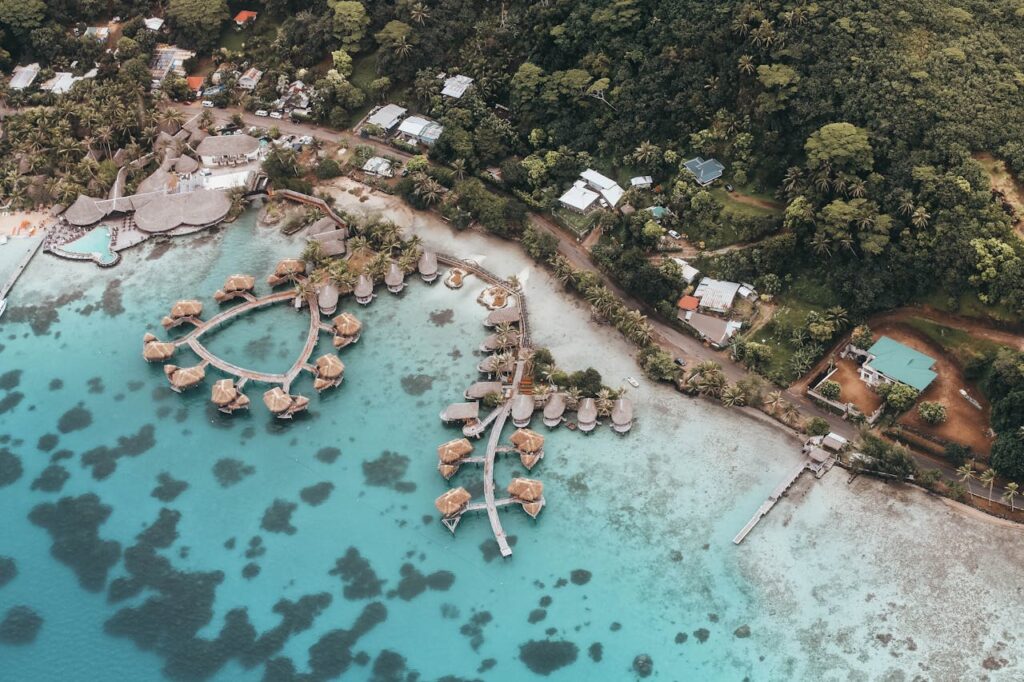
French Polynesia sits in the South Pacific, spanning an area roughly the size of Europe — which means five distinct archipelagos, each with slightly different weather patterns. That said, the big picture is consistent: temperatures stay comfortable year-round, ranging from around 22°C (72°F) at night to 32°C (90°F) during the warmest days. The water rarely dips below 27°C. You’re not going to freeze here, ever.
What actually changes between seasons is rainfall and humidity. The trade winds shift, the clouds come or go, and suddenly you’re either hiking through emerald jungle or sitting on a bone-dry beach watching manta rays cruise the shallows. Here’s how the two seasons break down:
Dry Season
May to October — The Classic Choice
| Lower humidity, almost no rain, and temperatures hovering between 22°C and 30°C. The trade winds keep things pleasant even in full sun. Water visibility is exceptional for snorkeling and diving. This is peak season — resorts are busiest (and priciest) from June through September, particularly around the European and North American summer holidays. |
Wet Season
November to April — The Underrated Choice
| Warmer and more humid, with temperatures touching 32°C and afternoon showers that are usually short and followed by clear skies. The islands turn intensely green. Manta ray sightings increase in the warmer water. Crowds thin out, hotel rates drop, and the surf season at Teahupo’o peaks. December, January, and February see the most rain — but even then, a typical shower lasts an hour, not a day. |
| Jan–Apr Max 31–32°C / Min 24–25°C | May–Aug Max 29–31°C / Min 22–23°C | Sep–Dec Max 30–31°C / Min 22–24°C | Water temp 27–29°C year-round |
Best Time to Travel to Tahiti Based on What You Actually Want to Do
Most travel guides stop at “May–October is best.” That’s fine as far as it goes, but it ignores a lot. Here’s a more honest breakdown by activity.
For Beach Holidays and Water Sports (Snorkeling, Lagoon Excursions, Paddleboarding)
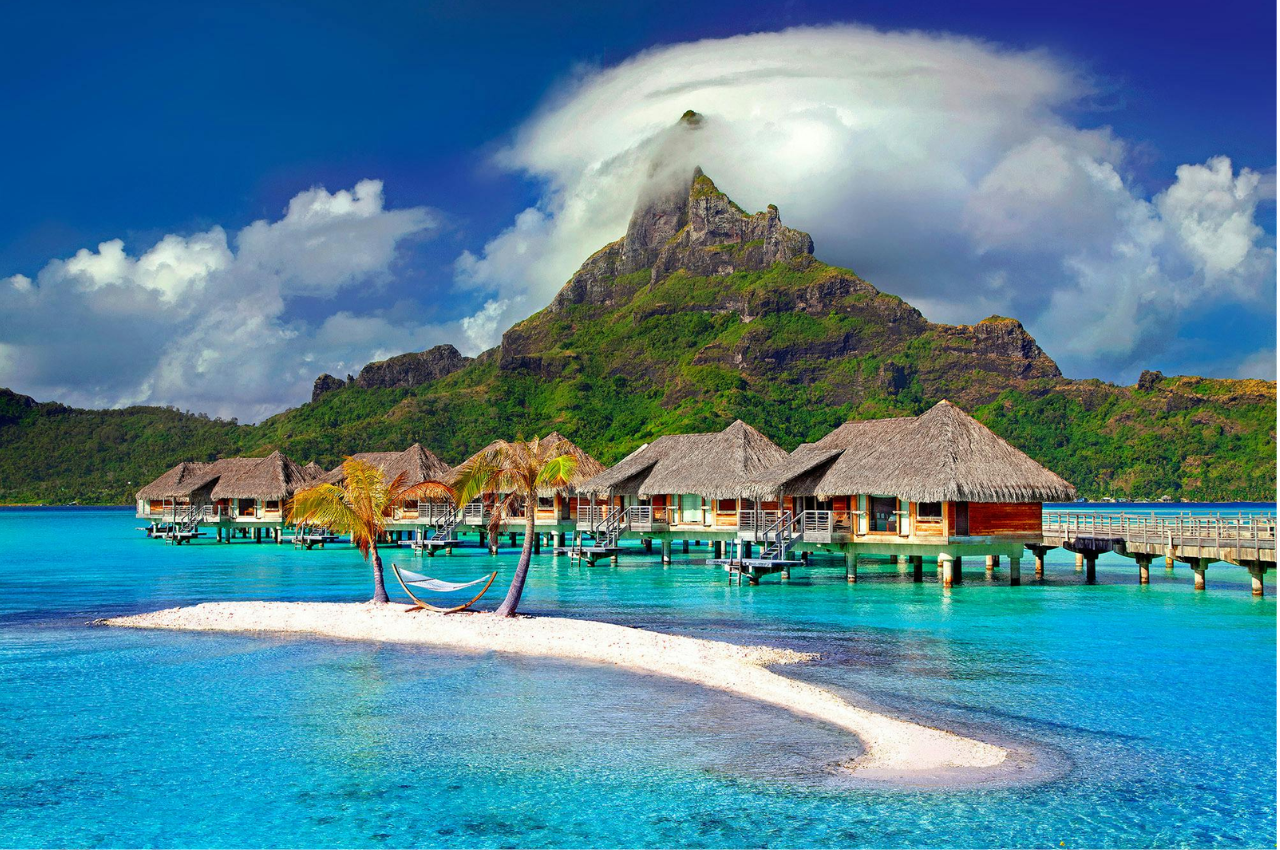
Go between May and October. The lagoons of Bora Bora and Moorea are at their calmest and clearest. Stingrays drift along the sandy shallows in Bora Bora’s famous lagoon without so much as a ripple disturbing them. Guides run paddleboard tours, glass-bottom kayak excursions, and shark-feeding snorkel trips all season long. Matira Beach in Bora Bora and Temae Beach in Moorea — arguably the two best beaches in the South Pacific — look absurdly beautiful under dry-season skies.
For Surfing
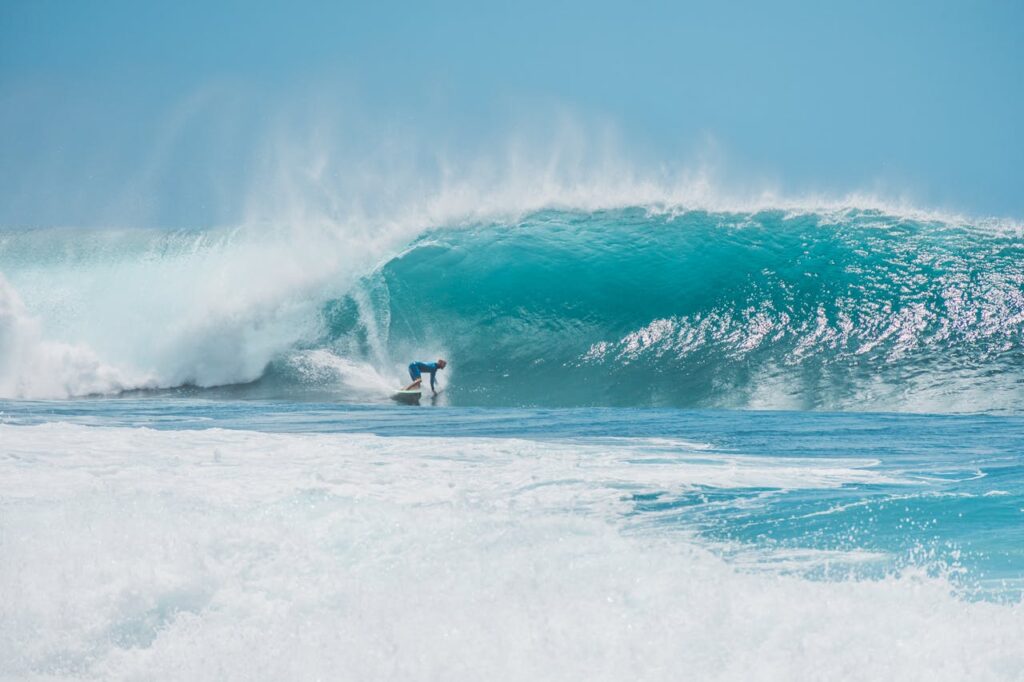
Come between November and April. Teahupo’o, the village on Tahiti’s southwest coast, produces some of the most powerful waves in the world — and this is peak season for them. If you’ve watched footage of surfers dropping into thick, hollow barrels over a shallow reef, that was probably filmed here between December and March. You don’t need to be a professional to appreciate it: watching from a boat is an experience in itself.
For Scuba Diving and Snorkeling
Both seasons work well, but the specific destination matters. In the Tuamotu atolls — Rangiroa and Fakarava in particular — April through November offers the best visibility and the most dramatic passes. Fakarava’s South Pass hosts a legendary grouper spawning event in June where hundreds of sharks gather to feed. For warmer water with manta ray encounters, the wet season (especially December–March) around the Society Islands delivers consistently.
For Whale Watching
The window is August through November. Humpback whales migrate from Antarctica to the warm waters of French Polynesia to calve and nurse their young — and the Australes Islands, particularly Rurutu, offer some of the most intimate encounters anywhere on the planet. Guided boat tours operate throughout this period, and it’s not uncommon to be in the water with a mother and calf at very close range.
For Hiking and Jungle Exploration
May through October is more comfortable for long hikes — cooler air, manageable humidity, and dry trails. The Aorai Mountain trek on Tahiti and the Three Waterfalls Hike offer sweeping views that are hard to match anywhere in Polynesia. That said, if waterfalls are your thing, the wet season (November–April) is when they’re at their fullest and most dramatic.
For Polynesian Culture and Festivals
July is unmissable. Heiva i Tahiti runs throughout the month and is one of the most impressive cultural festivals in the Pacific — traditional dance competitions, outrigger canoe races, archery, and music that has been practiced and refined for generations. The Hura Tapairu dance contest (held separately from Heiva) is another highlight for anyone interested in Tahitian performing arts. Book accommodation months ahead if you plan to be here in July.
Budget tip: The cheapest time to visit is generally December through March, excluding Christmas and New Year. Accommodation rates drop noticeably, and flight deals appear regularly. If rain doesn’t bother you — and on most days it really shouldn’t — this is excellent value.
Best Time to Visit Tahiti’s Different Archipelagos
French Polynesia’s five archipelagos are spread across an enormous stretch of ocean. They share a climate family, but each has its own personality and its own ideal travel window.
| May – October | April – November |
|---|---|
| Society Islands (Tahiti, Moorea, Bora Bora) The dry season is peak time here. Temperatures around 26–28°C, low humidity, calm lagoons. High season for honeymoons. Book well in advance for July and August. | Tuamotu Atolls (Rangiroa, Fakarava) Best diving visibility and optimal current conditions in the legendary passes. Don’t miss Fakarava’s grouper spawning in June — one of the great wildlife spectacles in the Pacific. |
| September – December | July – October |
|---|---|
| Marquesas Islands (Nuku Hiva, Hiva Oa) More remote and dramatic than the Society Islands. Drier weather and lush post-rainy-season landscapes make this the best window for hiking ancient archaeological sites and rugged coastlines. | Austral Islands (Rurutu, Tubuai) Best diving visibility and optimal current conditions in the legendary passes. Don’t miss Fakarava’s grouper spawning in June — one of the great wildlife spectacles in the Pacific. |
| March – October |
|---|
| Gambier Islands (Mangareva) Cooler and drier than the other archipelagos. Rich in Catholic colonial history, pearl farming culture, and skilled local artisans. A long way from anywhere — which is exactly the point. |
High Season vs. Value Season: What You’re Actually Trading
Here’s the real tension when planning a trip to Tahiti. Peak season (roughly June–September) gives you the weather that looks like the brochure photos: vivid blue skies, calm water, perfectly warm but not sweaty. The downside? Resorts know this, and prices at overwater bungalow properties in Bora Bora and Moorea can be eye-watering. July and August in particular attract European and North American visitors on summer holiday, which means competition for the best rooms and boat tour spots.
The wet season is a different kind of trip. Afternoons sometimes bring a tropical shower that clears up within an hour, leaving everything smelling clean and the flowers looking almost cartoonishly bright. The big trade: crowds are thinner, prices are lower, and the islands feel a little more like themselves — less performance, more place. The surfing and diving are genuinely world-class in these months. If you’re travelling on a real budget, November through early December is about as affordable as French Polynesia gets.
The shoulder months — May and October — are worth considering seriously. You get the beginning of the dry season or the tail end of it, with fewer tourists than peak summer and slightly lower prices. Weather is reliably good. It’s a sensible compromise that doesn’t require much sacrifice on either front.
Month-by-Month Quick Reference for the Best Time to Visit Tahiti
Rather than wade through every scenario again, here’s a fast read:
- January–February: Wettest months. Great for surfing at Teahupo’o. Budget-friendly. Waterfalls at peak flow.
- March–April: Tapering off rain. Water still warm. Excellent diving in Tuamotu begins.
- May–June: Dry season starts. Good value before peak crowds. Grouper spawning at Fakarava in June.
- July: Heiva i Tahiti festival. High season begins in earnest. Book ahead.
- August–September: Peak season. Busiest, most expensive, best weather. Humpback whales start arriving.
- October: Crowds thinning, weather still excellent. Whale watching continues.
- November–December: Rain returns gradually. Still good weather most days. Cheaper accommodation.
The Bottom Line: When Should You Actually Go?
If you want the safest bet — the weather that matches every Instagram photo of Bora Bora you’ve ever seen — book for May, June, or early October. You’ll get the dry season experience without the full July–August premium or the logistical headache of festival crowds.
If you’re flexible on weather and would rather spend less and see fewer tourists, November through early December is a genuinely good call. The rain rarely ruins a day; it just changes the texture of it. The islands are greener, the diving is still excellent, and you’ll have the reef all to yourself most mornings.
And if you have a specific purpose — whale watching, surfing Teahupo’o, attending Heiva i Tahiti, diving Fakarava’s passes — plan around that. French Polynesia rewards people who visit with intention. Whatever time of year you land in Papeete, you’re going to find something worth the trip.
Ready to Plan Your Trip to French Polynesia?
Once you’ve settled on your travel window, the next step is figuring out which islands to combine, how long to spend in each, and where to stay. Drop your questions in the comments below — or start building your itinerary with one of the certified Tahiti Specialists through the official tourism board.
All climate data sourced from the official Islands of Tahiti tourism documentation. Seasonal conditions are averages — individual trips will vary.