
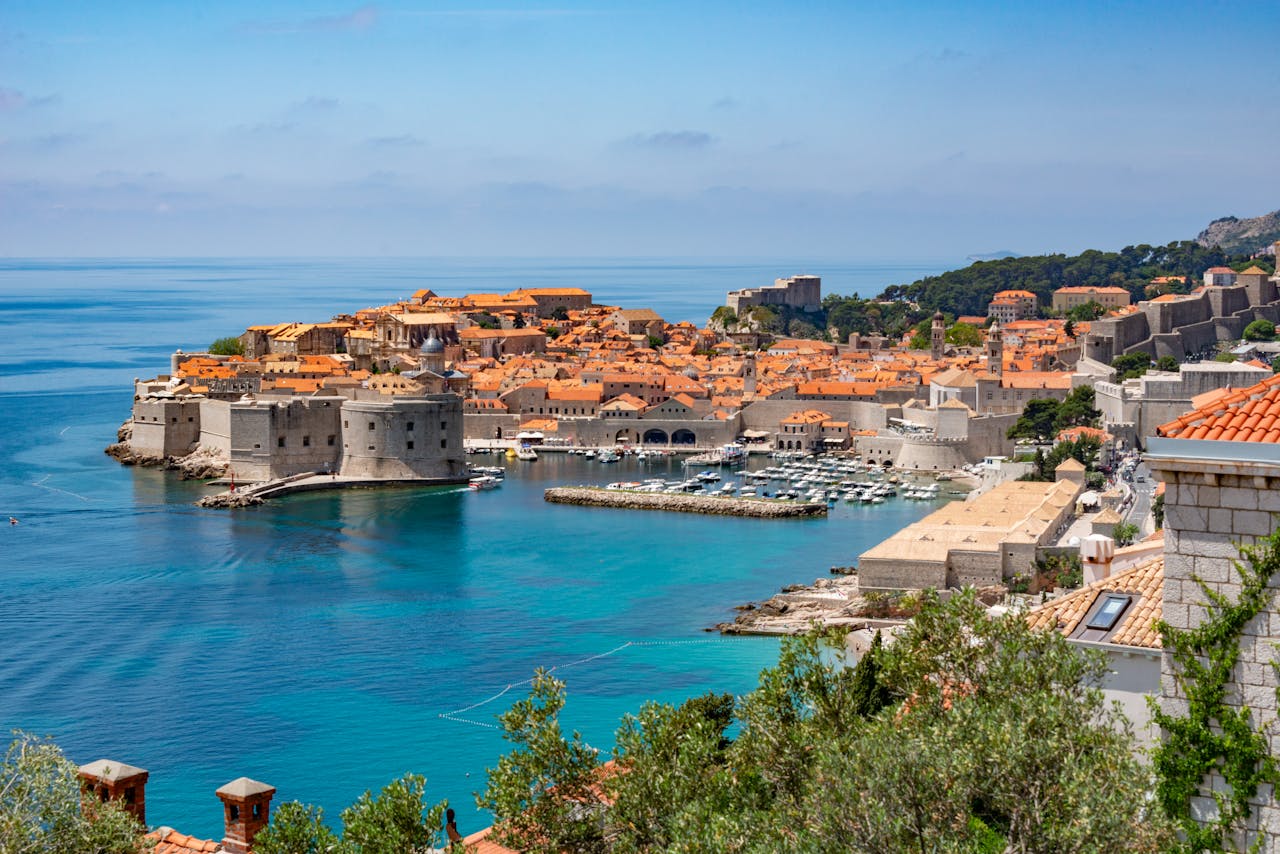
The best time to visit Croatia depends almost entirely on what kind of trip you want. The crystal-clear Adriatic, the walled cities of Dubrovnik and Split, the lavender-covered hills of Hvar — Croatia delivers on virtually every front, but the experience shifts dramatically from month to month. Peak summer brings a buzzing, festival atmosphere (and serious crowds). Shoulder season trades some of that energy for lower prices and room to breathe. And even winter has its own quiet appeal along the Dalmatian coast.
This guide breaks it all down by season, by month, and by purpose — so whether the priority is beach days, budget travel, island hopping, or simply walking Dubrovnik’s city walls without queuing for 45 minutes, the right window becomes clear.
⚡ Quick Answer
- Best overall: May – June and September
- Best for beaches and warmth: July – August
- Best for fewer crowds and lower prices: April and October
- Best for winter atmosphere: December – February (coastal cities only)
When to Visit Croatia by Season
🌸 Spring: April to June
Spring is when Croatia quietly earns its reputation as one of Europe’s best shoulder-season destinations. By April, temperatures along the Dalmatian coast climb to the low-to-mid 20s Celsius, wildflowers carpet the hillsides, and the tourism machine hasn’t fully spun up yet. Dubrovnik’s Old Town — which in August can feel more like a theme park than a medieval city — becomes walkable again. The islands are open but not overrun.
May is widely considered the sweet spot of the year. Temperatures are warm enough for swimming (sea temperatures reach around 20°C by late May), prices are well below their July peak, and the whole country feels energized after winter. Hvar Town’s harbor fills with sailing boats but not shoulder-to-shoulder crowds. Restaurant terraces are open. Ferry connections are running full schedules. It’s the month that rewards early planners.
June sits in an interesting middle ground — still technically shoulder season for the first half of the month, then noticeably busier as European summer holidays approach. Late June can feel almost as packed as July in popular spots like Hvar and Dubrovnik. Go in early June and it’s close to perfect.
☀️ Summer: July and August
July and August are Croatia’s peak months, and it shows. Hotels sell out months in advance. Dubrovnik’s cruise ship schedule means thousands of day-trippers pour through the Old City gates before noon. Ferry lines on popular island routes can stretch long. Prices for accommodation hit their annual high. Temperatures regularly exceed 35°C on the coast.
None of that means summer is a bad time to visit — it’s just a different kind of trip. The sea is at its warmest (around 26°C), the islands are in full swing, beach clubs on Hvar and Korčula are exactly what the brochures promise, and the energy is genuinely infectious. The Ultra Europe music festival in Split in July draws a crowd that’s come specifically for that atmosphere.
The key in summer is managing expectations and logistics. Book early, consider basing yourself on a less-visited island (Vis or Brač instead of Hvar), and plan sightseeing for early morning or early evening to avoid both the heat and the crowds.
Autumn: September and October
September might be the single best month on the Croatian calendar. The crowds thin after the first week as European school terms resume, but the Adriatic holds onto its summer warmth — sea temperatures stay above 24°C through most of the month. Prices drop noticeably. The light turns golden and the hills behind Split and Dubrovnik take on a quality that photographers talk about for years afterward.
October extends the shoulder season further. Temperatures cool to the mid-teens by late in the month, and some island businesses start closing for winter. But it remains entirely viable for a sightseeing-focused trip to Dubrovnik or Split, and hiking in the national parks — particularly Plitvice Lakes — becomes genuinely spectacular as the foliage changes color.
❄️ Winter: November to March
Croatia in winter is a tale of two countries. The coastal cities — Dubrovnik, Split, Zadar — stay mild enough for walking holidays even in January, with temperatures hovering around 10–14°C. Christmas markets appear in the squares, restaurants that would be impossible to get into in August are suddenly accessible, and hotel prices fall to their lowest point of the year. For travelers who prioritize atmosphere over beach weather, it can be genuinely rewarding.
The islands are a different story. Most businesses on Hvar and Korčula close from November through March. Ferry schedules reduce significantly. For island-focused itineraries, winter simply doesn’t work.
Best Time to Visit Croatia: Month-by-Month Breakdown
| Month | Temperature | What to Expect |
|---|---|---|
| April | 15-20°C | Quiet, affordable, spring wildflowers. Sea still cool for swimming but ideal for sightseeing. Dubrovnik at its most relaxed. |
| May | 18–24°C | The best all-round month. A good time to go to Croatia for first-timers. Everything open, far fewer crowds than summer. |
| June | 22–28°C | Early June still feels like shoulder season. Late June gets busy fast. Boat tours and island ferries running full schedules. |
| July | 28–34°C | Peak season at full tilt. Best for beach holidays, nightlife, and the full Dalmatian summer experience. Book well ahead. |
| August | 28–35°C | Hottest and busiest month. Crowds at maximum in Dubrovnik and Hvar. Sea perfectly warm. The classic summer Croatia trip. |
| September | 22–28°C | Arguably the best time to go to Croatia. Warm sea, half the crowds, lower prices. Highly recommended for all travel styles. |
| October | 15–22°C | Quieter and cheaper. Good for Plitvice Lakes and national parks. Some island businesses begin to close mid-month. |
| November–March | 7–14°C | Winter on the coast has its own appeal. Dubrovnik and Split remain open and atmospheric. Islands largely shut down. |
Best Time to Visit Croatia for Specific Interests
Best Time to Visit Croatia for Beaches and Swimming
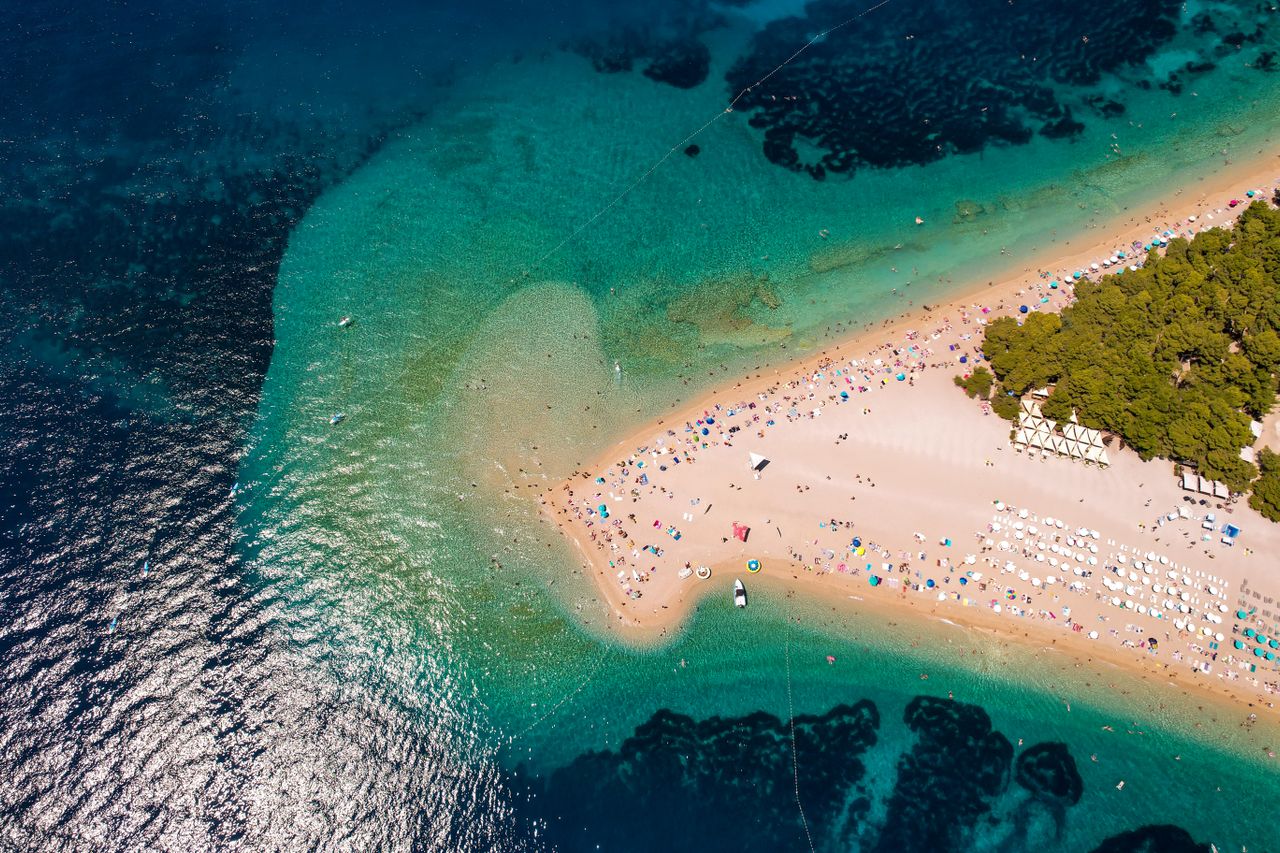
For genuine beach weather — warm sea, hot sun, and that unmistakable Adriatic blue — the window runs from late June through early September. Sea temperatures peak at around 26°C in August. The beaches on Hvar, Korčula, Brač (home to the famous Zlatni Rat beach), and the coastline around Split are at their best. May swimmers exist, but the sea at 19–20°C is refreshing rather than warm. September extends the season nicely with calmer water and fewer people sharing the towel space.
Best Time for Island Hopping and Boat Tours
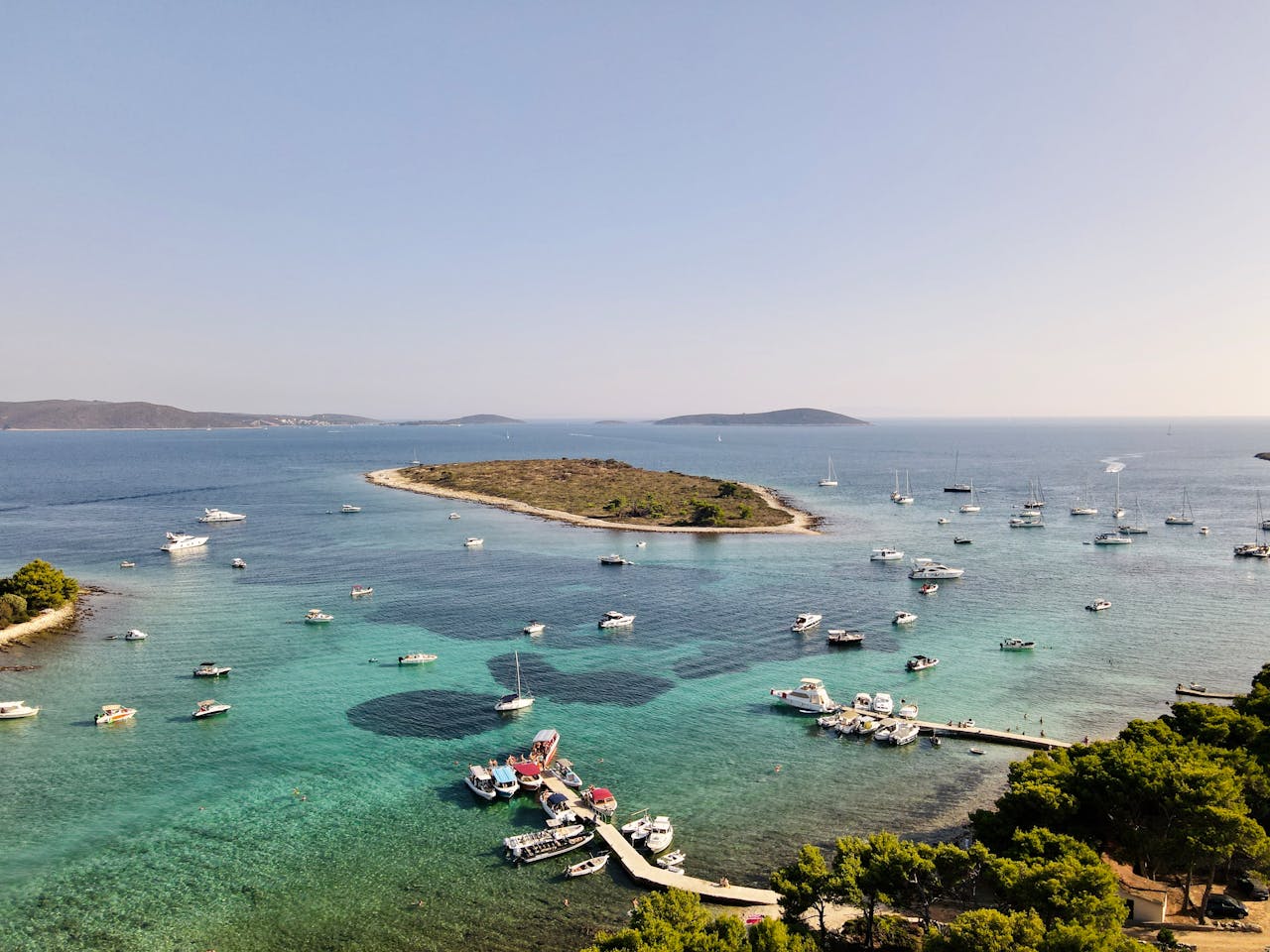
The prime window for island hopping is June and September — the boats are running full schedules, the islands are open, and the sea conditions are generally calm. July and August work too, but popular routes get crowded and prices for private boat charters climb sharply. If budget matters, September offers virtually the same experience at a fraction of the cost. The Dalmatian island chain — Hvar, Korčula, Vis, Brač — is best explored with at least five or six days set aside specifically for island travel.
Best Time to Visit Dubrovnik Without Crowds
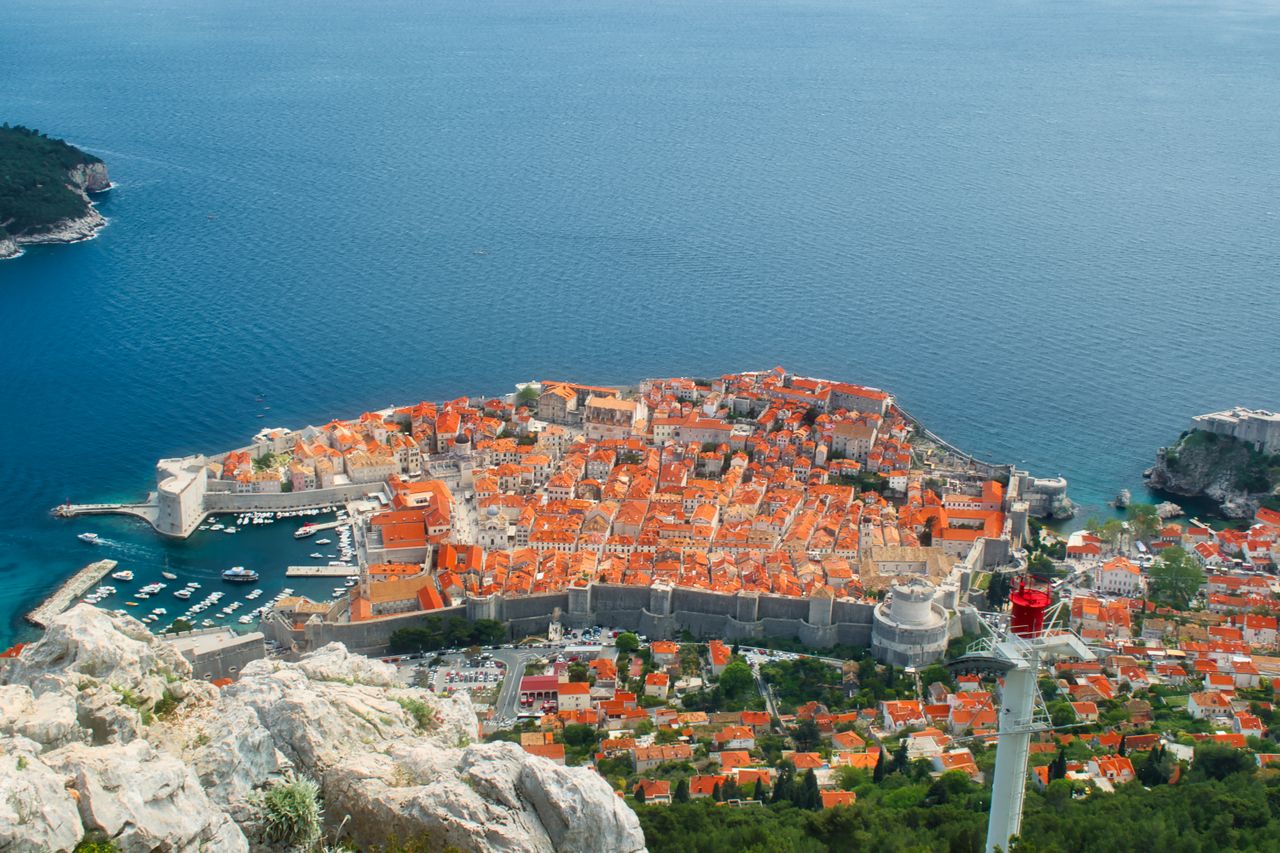
The honest answer: May, early June, and September. Dubrovnik is one of Europe’s most visited cities for its size, and the combination of cruise ships and summer tourists in July and August pushes the Old Town to genuinely uncomfortable density levels. The city itself has introduced visitor management measures, but the difference between a May morning on the city walls and an August one is stark. Visiting at dawn — before the cruise ship crowds arrive — also helps, regardless of season. April and October are even quieter, though some restaurants operate reduced hours.
Practical tip: Dubrovnik’s cable car (Žičara) has shorter queues in early morning and late afternoon. The city walls walk takes about 90 minutes and is best attempted before 9am in summer — after that, it becomes uncomfortably hot and crowded simultaneously.
Best Time to Visit Croatia for Value and Lower Prices
The best value months are April, May, October, and the winter months on the mainland coast. May in particular hits a sweet spot — good weather, full services, and prices that can be 30–50% lower than July peak rates for the same accommodation. October rivals May for value and adds the bonus of autumn foliage in the national parks. For budget travelers, the simple rule is: every week further from the July–August peak saves money.
Best Time for Sailing and Boat Tours
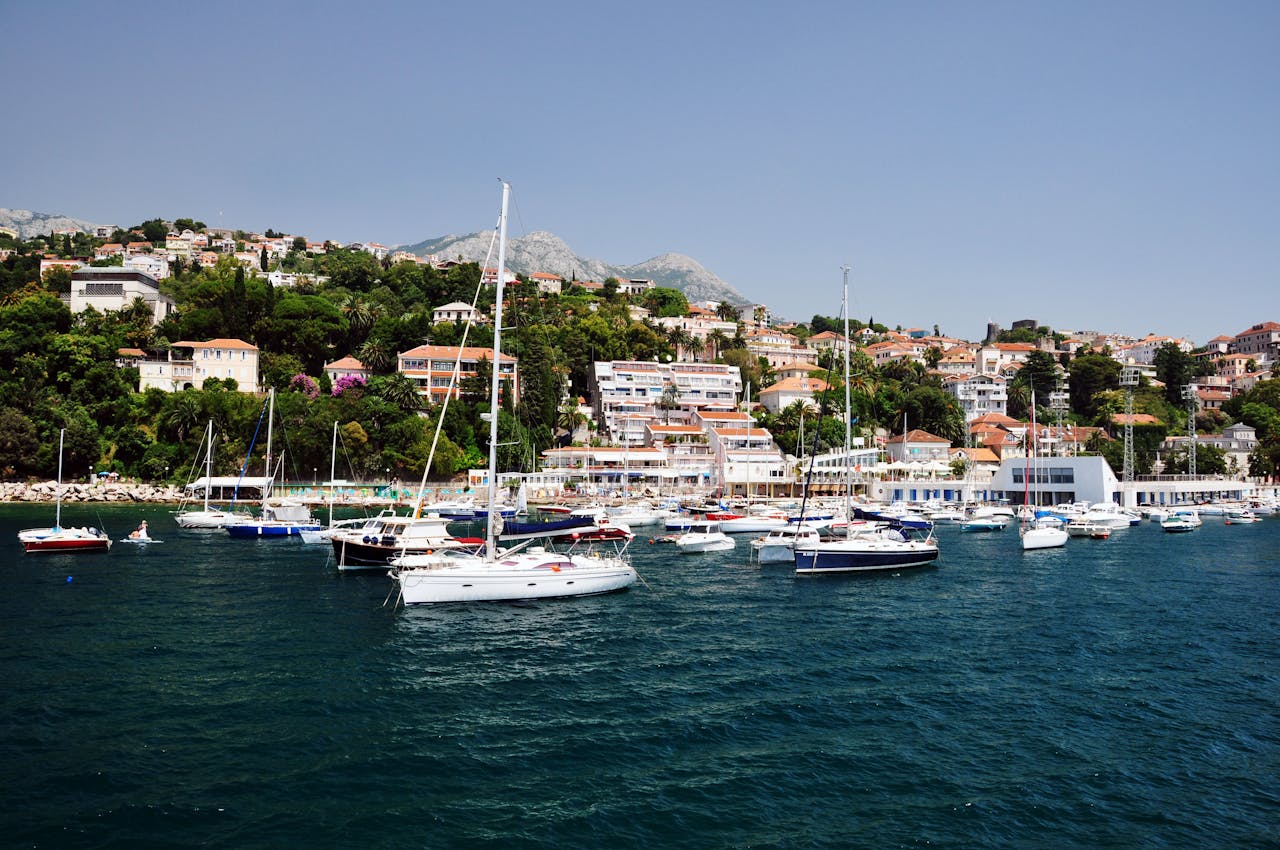
Croatia’s sailing scene runs from May through October, with June and September considered the optimal months by most skippers. The Maestral wind that blows reliably along the Dalmatian coast in summer makes for good conditions, and the sea is calm enough that island-hopping by boat is genuinely comfortable. July and August bring the most boats on the water — which creates atmosphere in the marinas but also means anchorages fill up quickly in popular spots like Vis and Hvar.
When to Avoid Visiting Croatia
There’s no truly “bad” time to visit Croatia, but two scenarios warrant caution. The first is August in Dubrovnik — the city is extraordinary, but visitor numbers in the peak of summer genuinely detract from the experience for many travelers. The second is visiting the islands in winter, when ferry connections are limited, most restaurants and hotels are closed, and the islands feel almost abandoned. The mainland coast and larger cities remain accessible and worthwhile year-round.
Croatia Travel Planning: Season at a Glance
| Period | Weather | Crowds | Prices | Best For |
|---|---|---|---|---|
| April | Mild, 15–20°C | Low | Low | Sightseeing, budget travel |
| May–June | Warm, 20–27°C | Moderate | Medium | All-round best time to visit Croatia |
| July–August | Hot, 28–35°C | Very high | High | Beach holidays, nightlife |
| September | Warm, 22–28°C | Low–moderate | Medium | Best overall value and weather |
| October | Mild, 15–22°C | Low | Low | National parks, autumn scenery |
| Nov–Mar | Cool, 7–14°C | Very low | Lowest | Coastal cities, off-season atmosphere |
Final Verdict: The Best Time to Go to Croatia
For most travelers, the answer is May or September — and for good reason. Both months offer warm weather, a functioning tourism infrastructure, manageable crowds, and prices that don’t require a second mortgage. May is ideal for those planning further in advance; September rewards flexible travelers who can book relatively late and still find good options.
July and August remain the most popular months, and they deliver what they promise: sun-soaked beaches, a vibrant atmosphere, and the full Dalmatian summer experience. The trade-off — higher prices and bigger crowds — is a fair one, provided expectations are set accordingly. Book accommodation and popular tours months in advance, avoid the city walls of Dubrovnik at midday, and the experience remains genuinely special.
The real underrated option? October. The national parks are at their most beautiful, the cities have room to breathe again, and a week on the Dalmatian coast in early autumn — golden light, quieter restaurants, warm enough to sit outside — is one of the more quietly satisfying travel experiences in Europe.
Planning a Croatia Trip?
Before booking, it helps to pin down a few key decisions:
- Which cities and islands to prioritize (Dubrovnik, Split, Hvar, Korčula, Vis?)
- Whether island hopping or one base makes more sense for the itinerary
- How much flexibility exists on travel dates — even two weeks can shift the experience significantly
- Whether a private boat charter or scheduled ferry works better for island travel
Getting the timing right is the single highest-leverage decision in Croatia trip planning. Everything else — where to stay, what to see — follows from it.


2 Comments